

All of my life I’ve had a fascination with motorcycles—from a careful distance. They were dangerous. So I would never get on the back of one, no matter how many times the guys I dated in my 20s asked, or assured me what skilled and careful riders they were. I never thought I would be interested in learning how to ride a motorcycle.
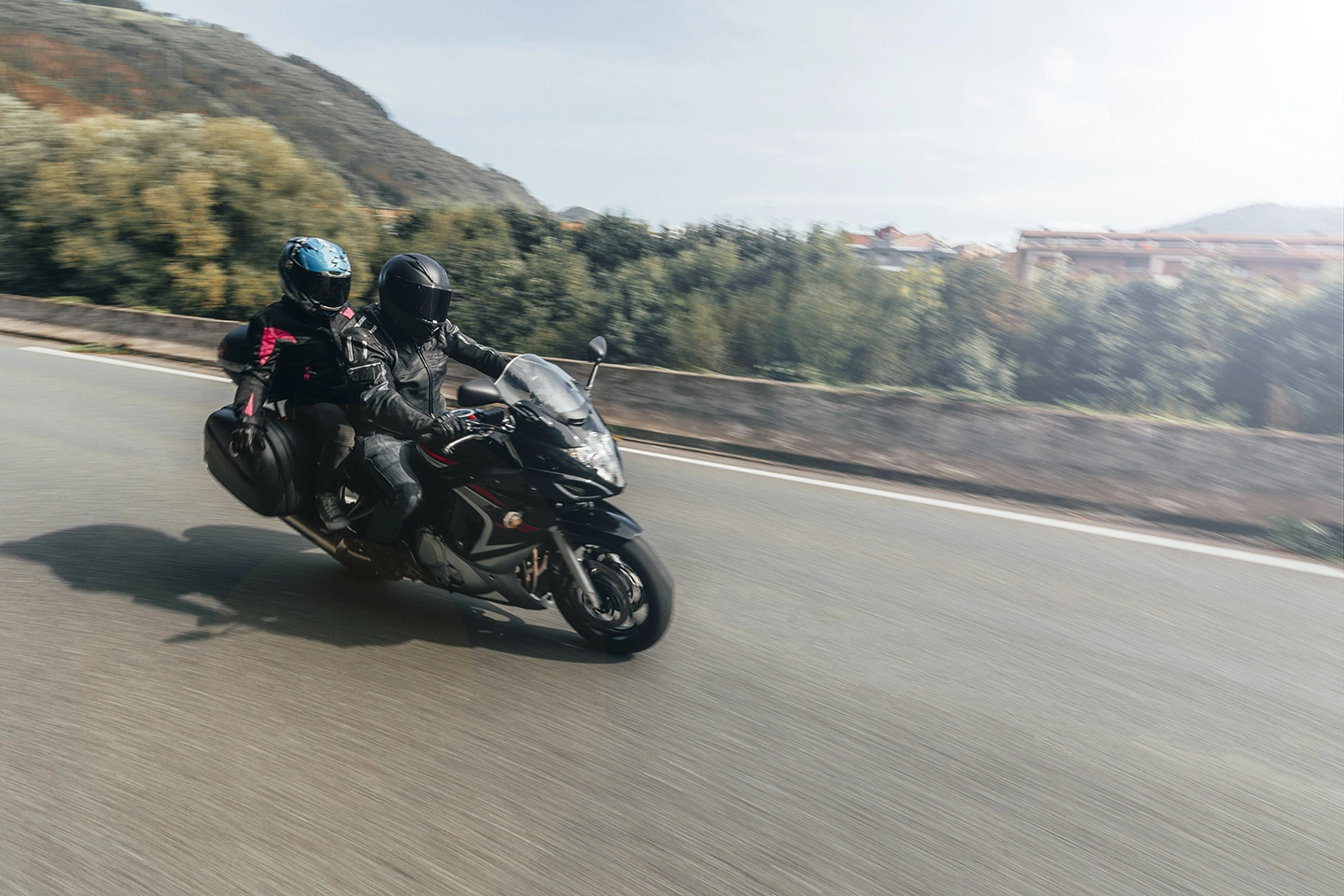
But I never stopped thinking they were sexy (the bikes, not the guys). Over the years, I’d ridden a few dirt bikes, and ATVs when I was on a search and rescue team. Riding off-road, away from traffic and cars, seemed much safer. And those experiences confirmed what I had always suspected: that riding on something fast, and totally exposed, was like flying—fun and exhilarating in a way that nothing else could touch. When I was moving, I felt that I could relax. I wasn't bothered by phones, emails, or anything else. I could just experience my wind therapy.
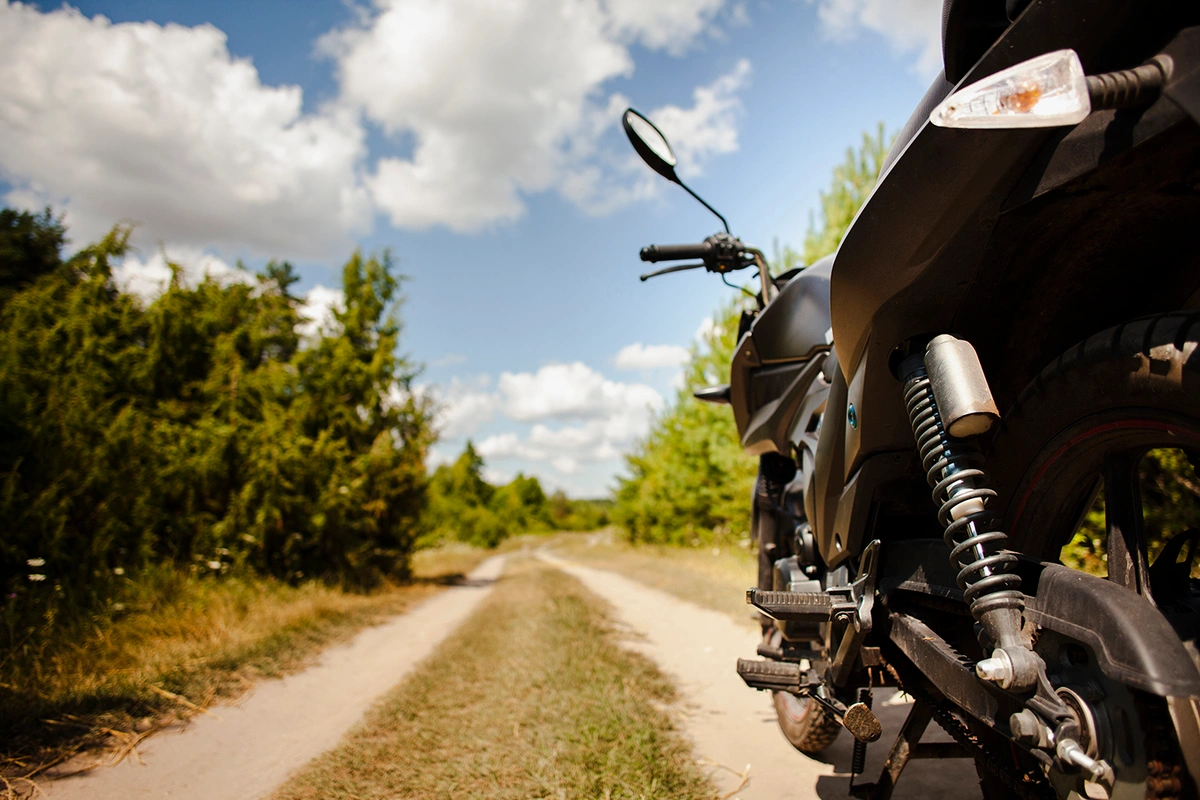
I still never rode on the street. As I eased into my mid-30s, I found myself saying, "If I ever found out I had only a limited time to live, I’d buy a motorcycle." And by the time I reached my late 30s, I started thinking that maybe there was something wrong with that logic; life is uncertain, and how much sense did it make to avoid something that was a bucket list item for me, unless the bucket was actually in sight?
When I was 40, I woke up one day and decided it was time—I was going to get my motorcycle license. I signed up for motorcycle safety school the following weekend and spent two days immersed in classroom learning and on-the-bike instruction and practice. I learned a lot of things I didn’t know about handling a bike, the physics of riding, and safety techniques. I learned things to watch out for and best practices to minimize chances of an accident. I learned about the importance of motorcycle gear, and ways to select the motorcycle gear that's right for me.
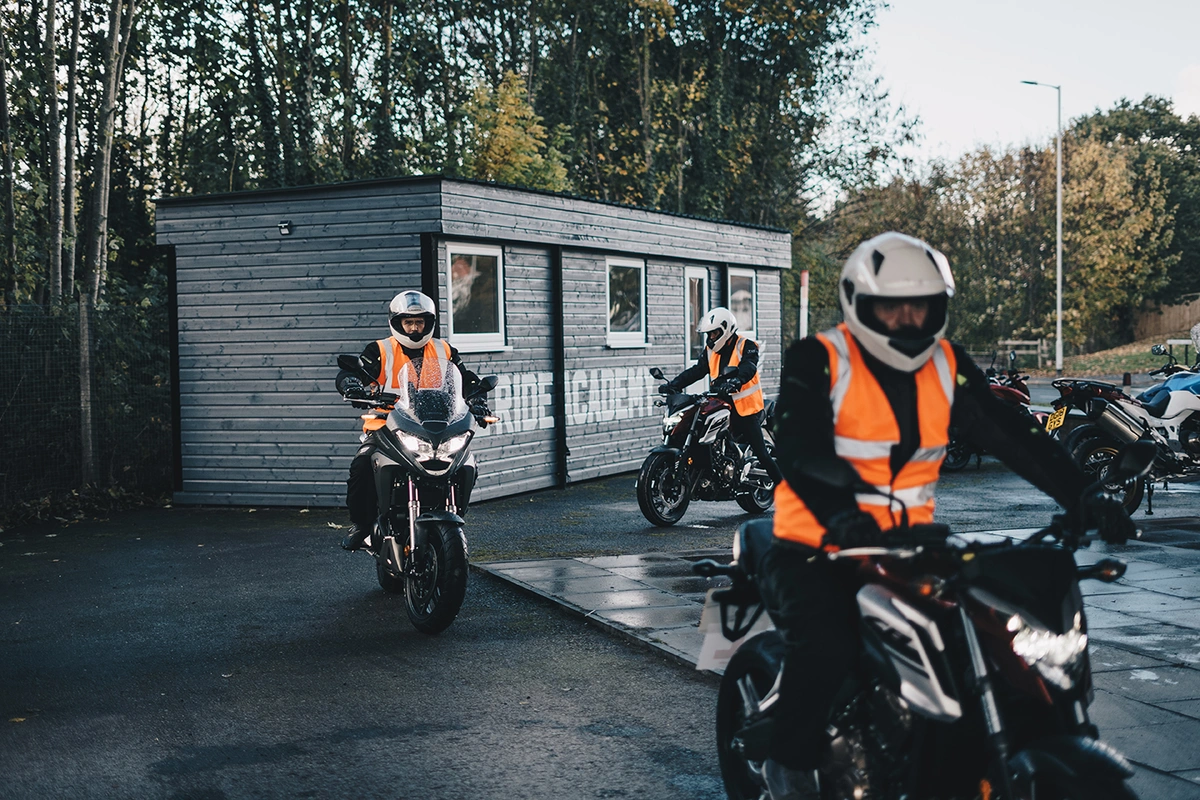
I had a blast riding around on the Suzuki GZs and Honda Rebels in class. With their 300-pound wet weights and low seat heights, it was easy to navigate the drills and figure-eights, and to master slow u-turns and panic braking. Counter-steering was something so natural that I had to actually not think about it when it was such a focal point of the curriculum—because, as an instructor pointed out, I was already doing it.
I met some great people in the class. Many were young—late teens to mid-twenties—and a few were in my age range or older. Yet it felt like we had a lot in common, simply because we were there; we were all learning new skills and embarking on a new set of experiences—even adopting a new lifestyle, to an extent. We had a shared understanding of what it meant to take on all that riding on two wheels entails.
Also—and this cannot be overstated—the Motorcycle Safety Foundation curriculum taught in my class was absolutely invaluable. In most states, including mine, you don’t have to take the class to get your license; you just have to pass the written and practical test at the DMV. But I really can’t imagine riding on the streets without all of the motorcycle safety training and physics-based insights about handling a bike. The instructors were all passionate, longtime riders, and hearing their stories and firsthand experiences along with the training was extremely helpful.
The hours flew by, and pretty soon I was getting my certificate. I had passed. All I needed to do now was take the written test at the DMV!
I made an appointment, and started studying—because, as we all know, DMV tests have a lot more to do with obscure BS-type details than with any useful or sensible information. This made me panic all the more when I learned that in my state, even though my regular driver’s license didn’t expire for another year, I’d have to take my Class C (car) test again, at the same time I took my M1 to get a California motorcycle license. Damn, what if I didn’t pass that? (I’ve been able to renew by mail for years, without having to take any tests, and you never know with DMV tests!) So I studied for both my Class C and my M1. I found an app called DMV Motorcycle Permit Test, and used that to study for my M1. (I also used the DMV Genie app to practice for my written Class C test. I hadn’t taken that since I was 16!)

Finally, the day came—I went to the DMV, to take my motorcycle test and finally get my motorcycle license. As I waited for 35 minutes (even though I had an appointment), I started talking with a gentleman in his 60s sitting near me, because he had a motorcycle helmet in his hand. Turned out, he’d been riding for over 40 years. He told me all about his best rides, and some of his close calls. He explained the where I should rent a motorcycle when traveling. He gave me advice on the best routes in our area to check out as I got started, and even offered to take me out on a ride sometime. That’s the kind of camaraderie I’ve found pretty much everywhere that I’ve crossed paths with people in the moto community.
Finally, I was up. First I took the M1 test, and felt pretty good about it. Then I started sweating bullets, wondering if I was going to f#@$ up my regular driver’s license test. Eventually, I was done, and I was very relieved to find out I’d passed both tests. And so I walked out with my class C plus a motorcycle endorsement. I was excited—and also realized that now I needed a bike!
I started to think about whether I should rent or buy a motorcycle, and decided that because I lived in California, buying would be the best option. I then did a ton of research on the best motorcycles for women who are new to riding. I’d had my eye on a number of different options, but ended up with a low-mileage Triumph Street Twin. I’d always had a thing for Triumphs (even in my not-very-savvy years). I think the Bonneville had somehow imprinted as my ideal template of what a motorcycle looked like. The Street Twin was a slightly lower, lighter version; it didn’t look quite the same, but it was close enough. And the new (at the time) liquid-cooled Triumphs had some new safety features and nice improvements over the air-cooled models.
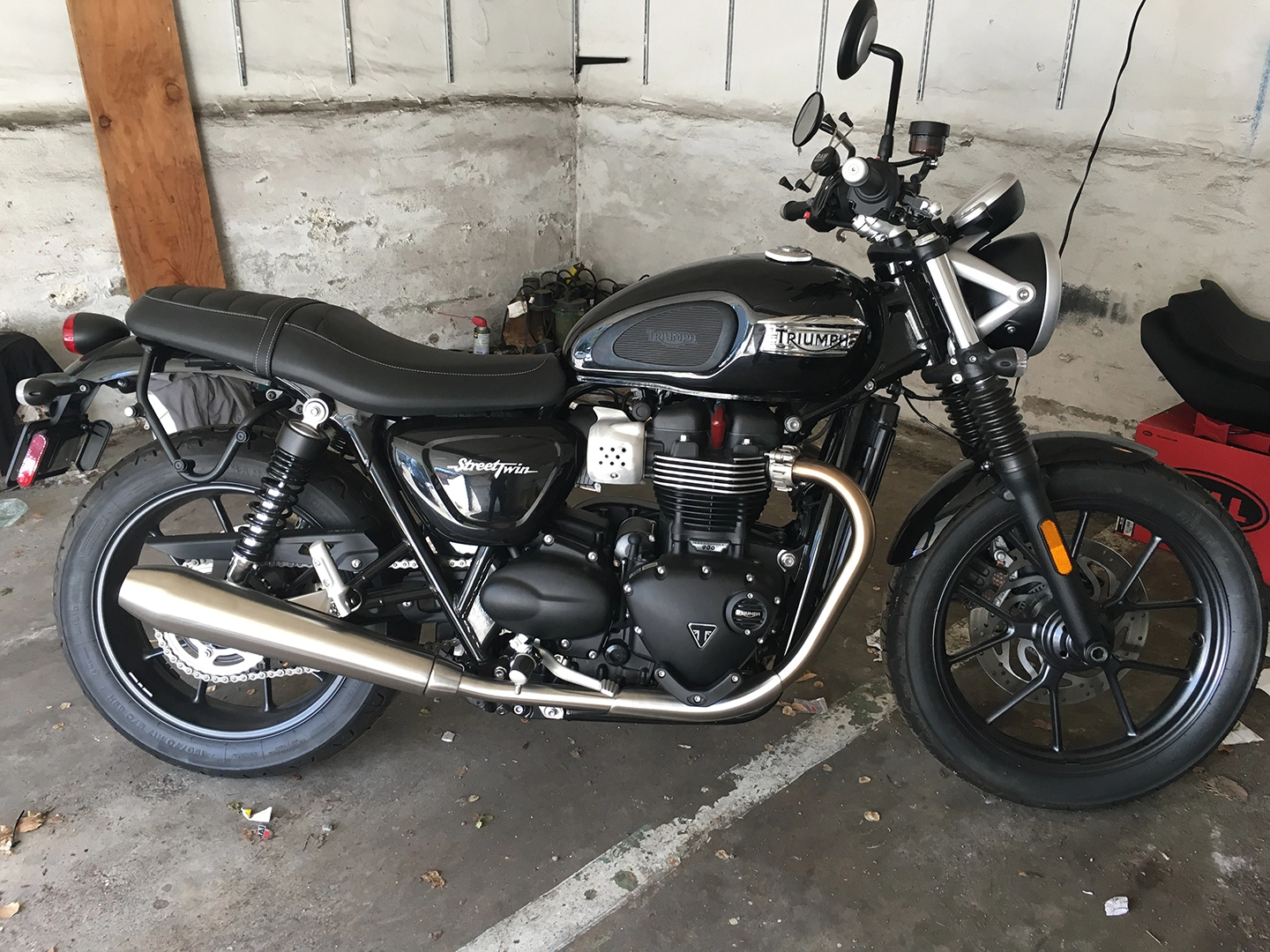
I rode around a parking lot for a bit, getting a feel for the bike, and turning, and braking. The seat height was 30”—which is relatively low compared to most bikes—but then, I only have a 29” inseam. No problem, as most people say "as long as you can get one foot down, you’re good." And that’s true—if you’re experienced. And you’re used to holding up a 480-pound bike.
Eventually, I felt comfortable enough to ride home. But, I’ll be honest: it was a little harrowing. Every time I stopped and started, and every time I switched lanes... there were cars. Not a surprise, since this was the road, after all, but they were all around me and I felt very exposed.
On that ride home—on surface streets—was the first time I realized, "Wow, we’re really doing this." Now that I had a bike that I owned, and I was riding on the street, it was apparent how different that was from riding a little 300-pound training-fleet Honda Rebel around a course on a giant parking lot. This was real. And terrifying. And thrilling.
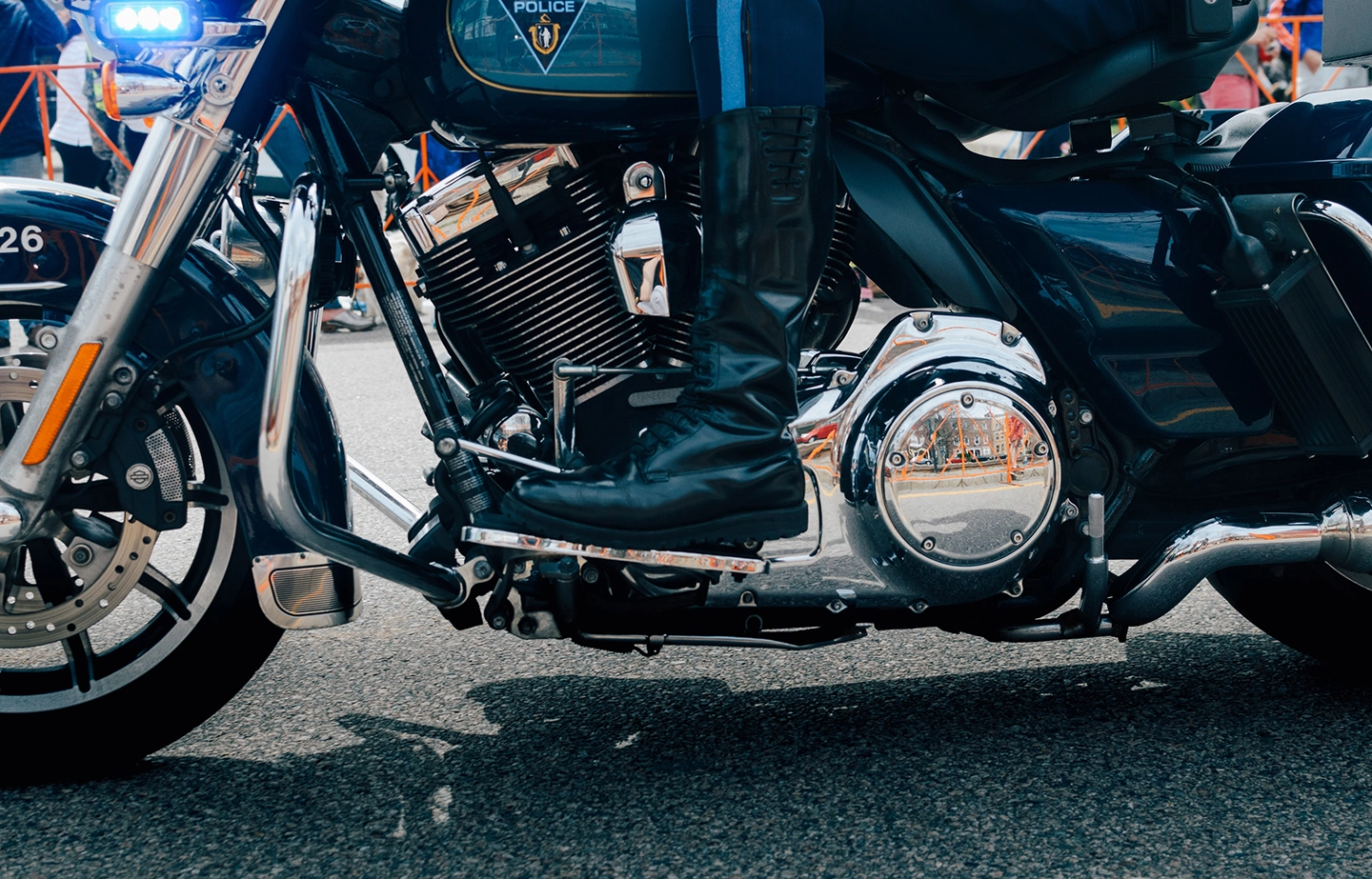
The thing about starting to ride a motorcycle, for me anyway, is that there are all these things that crop up and are a little more challenging or intimidating than you'd expect. Like stopping on a hill. Or on uneven surfaces, where you might find your boot a little farther from the ground than you were anticipating. Or on gravel, where your foot might slide. Or riding when it's windy. Or parking on a busy street. These are things that were glaring for me, at 5’5" and a buck twenty-five. I’d honestly never thought about any of this when I was imagining what it would be like to jump on a motorcycle and take off.
I wanted to get a feel for riding in different situations and at different speeds, and the cars were the variable that was most out of my control. So I started going out early in the morning, before work, when there was very little traffic. I’d ride through neighborhoods, up in the hills, and on curvy roads that let me build up my cornering confidence at speed.
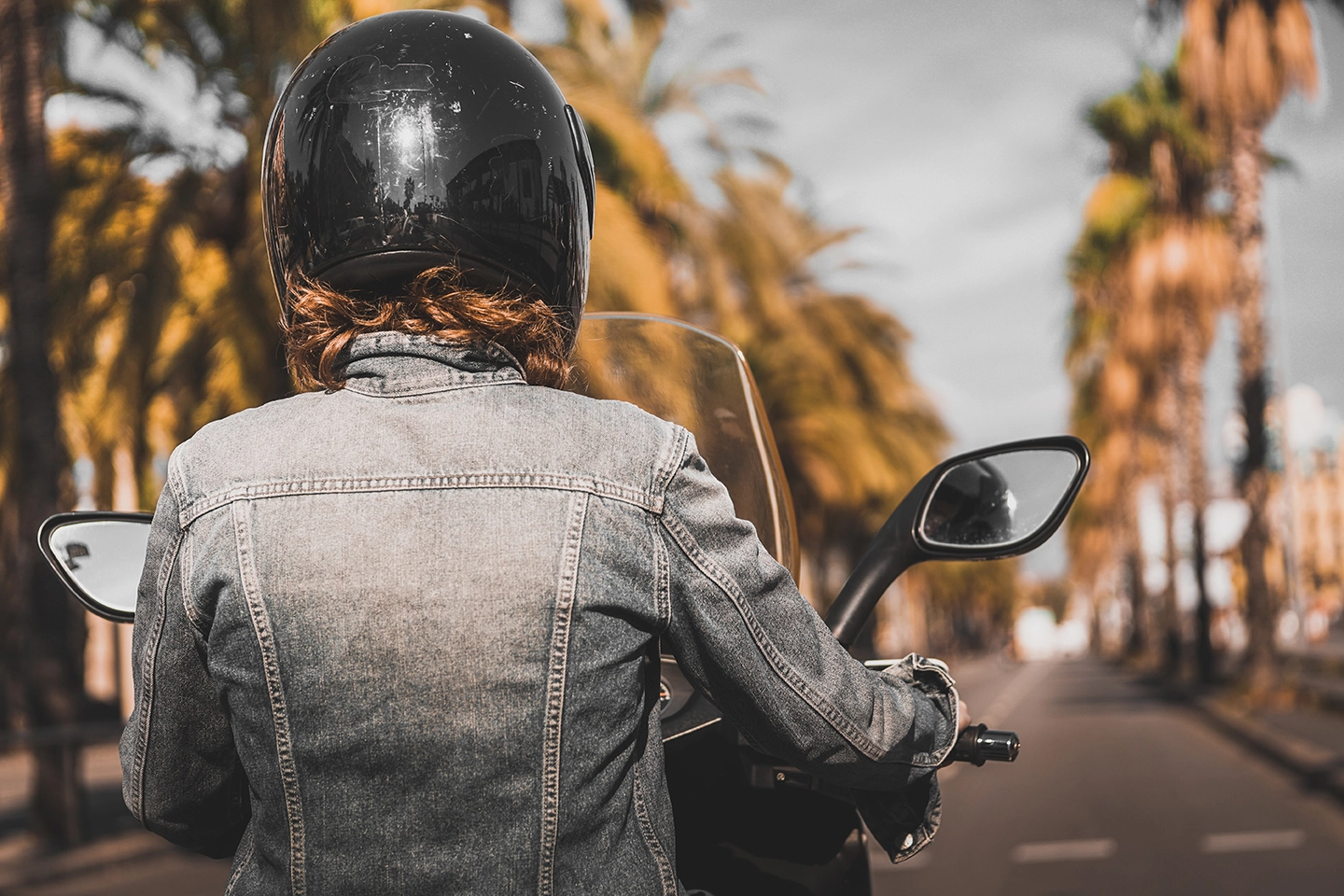
Everything became more natural over time. I loved the feeling of so much speed with just a twist of the wrist, and the wind, and the sense of complete freedom. I got more confident. I found that escape that everyone talks about—the singular focus that you need to have when you’re riding, that pushes away all of the distractions and stresses of daily life. A gasoline-fueled Zen.
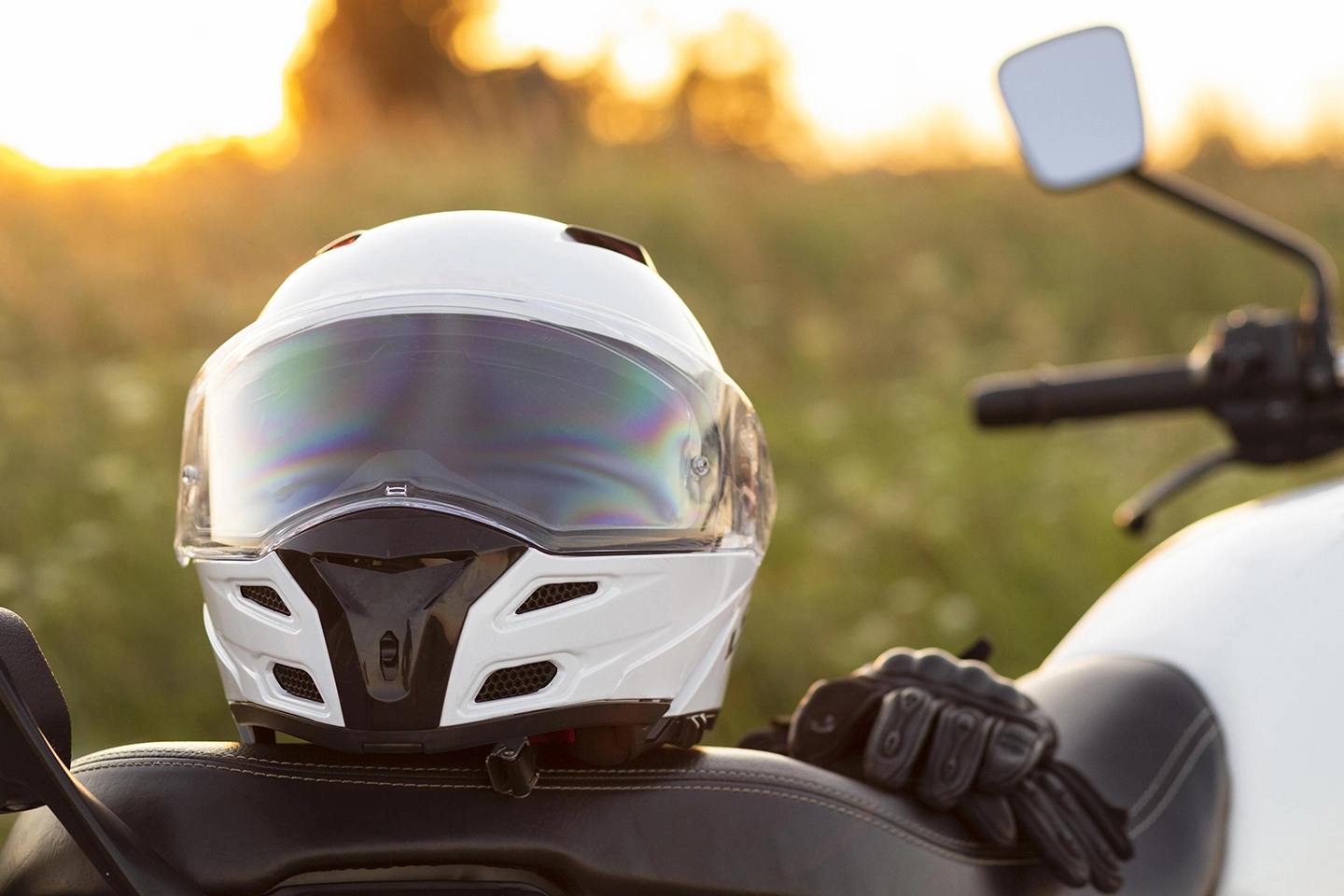
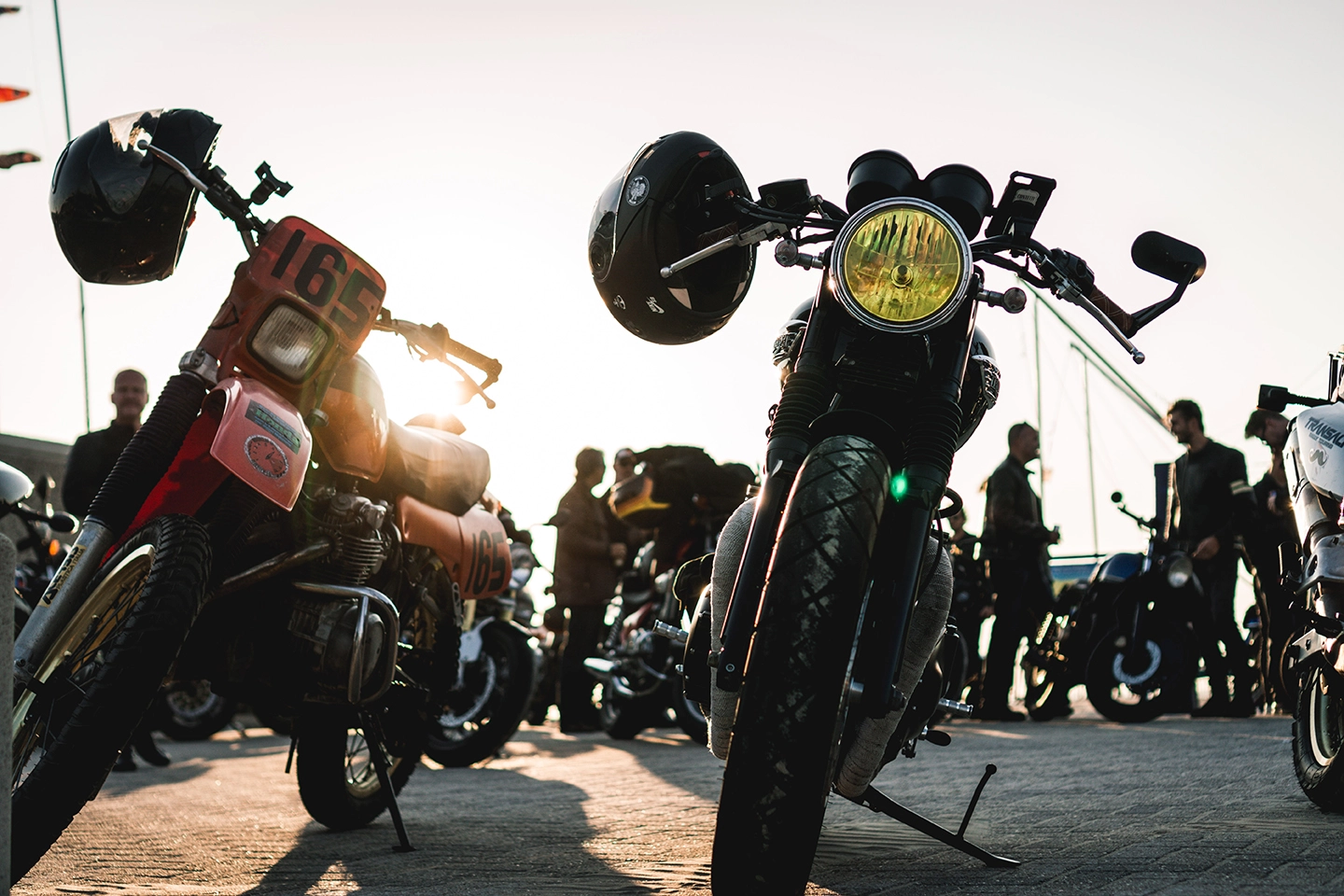
I learned that there’s a special wave that motorcyclists have. And it’s only for each other. Not for scooters, or trikes, or quads. I discovered that when you walk into a place in your moto gear, it invites conversation. People ask because they’ve always wanted to ride, or they used to ride, or they still ride—and there’s an instant connection. We’re the same tribe, all of us.
Note: this article was originally published in November, 2020 and has been updated with more recent and relevant information.