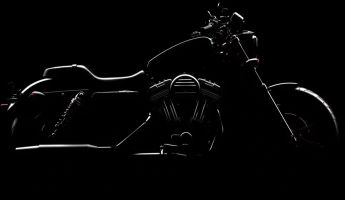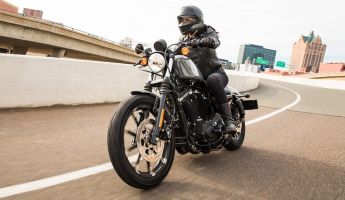

In the 1950s, the Harley-Davidson brand announced a departure from its prototypical big-twin motorcycles. Harley fans had long demanded a smaller, nimbler alternative to larger, heavier FL-chassis bikes, and the brand delivered with 1957’s release of the XL Sportster.
To the surprise of Harley execs and fanatics alike, the Sportster’s small, lightweight form factor and torquey powerplant skyrocketed the bike into widespread success.
The American-made Sportster rivaled smaller Triumphs, BSAs, Nortons, and other imports that’d gained popularity stateside, commencing a new age in the American motorcycle industry.
Over sixty years later, the Sportster remains one of the most iconic Harley-Davidson motorcycles ever produced and one of the most rented models on Twisted Road. But, to determine how the Sportster became such a legendary motorcycle, we’ll need to start at the beginning.

The Harley-Davidson K Model: 1952–1956
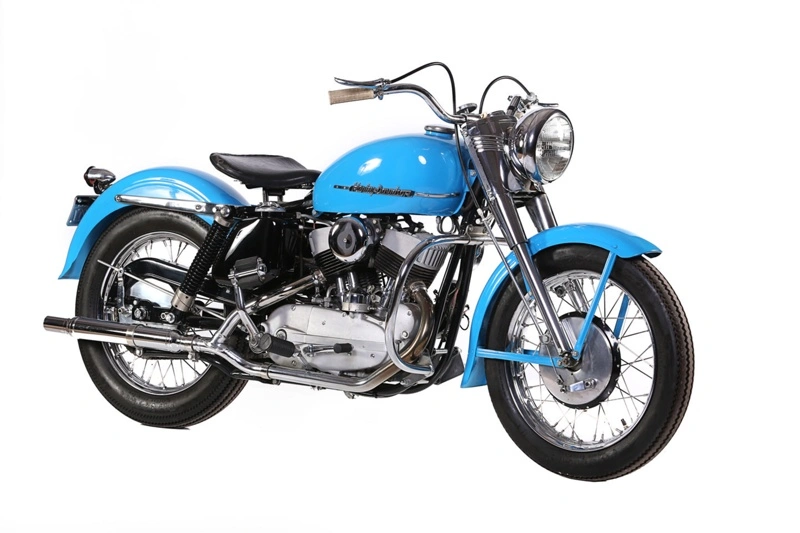
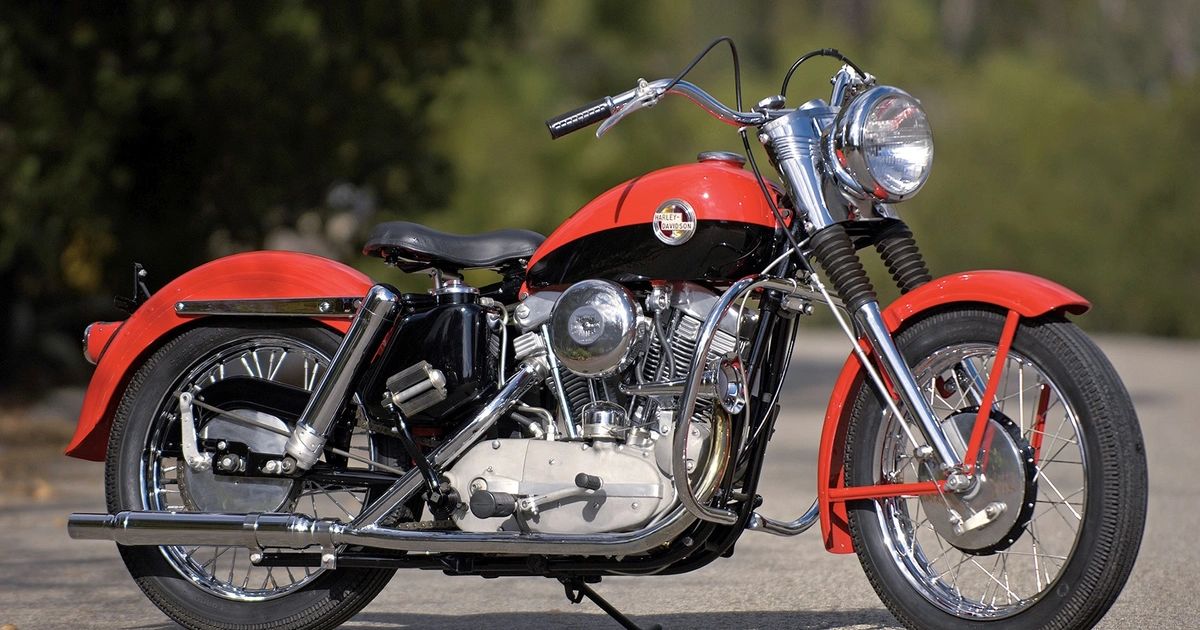
Before there was a Sportster, Harley-Davidson produced its K-series bikes, sharing many similarities with the future Sportster. These small, nimble motorcycles were Harley’s original departure from larger cruisers. They arrived with side-valve engines; 750cc in 1952-1954 and 883cc from 1955-1956.
Though the K-series chassis was relatively popular in the early–mid-fifties, Harley discontinued the model in 1956 to make way for the all-new 1957 XL Sportster.
The Harley-Davidson XL Sportster 883 (1957–1970)
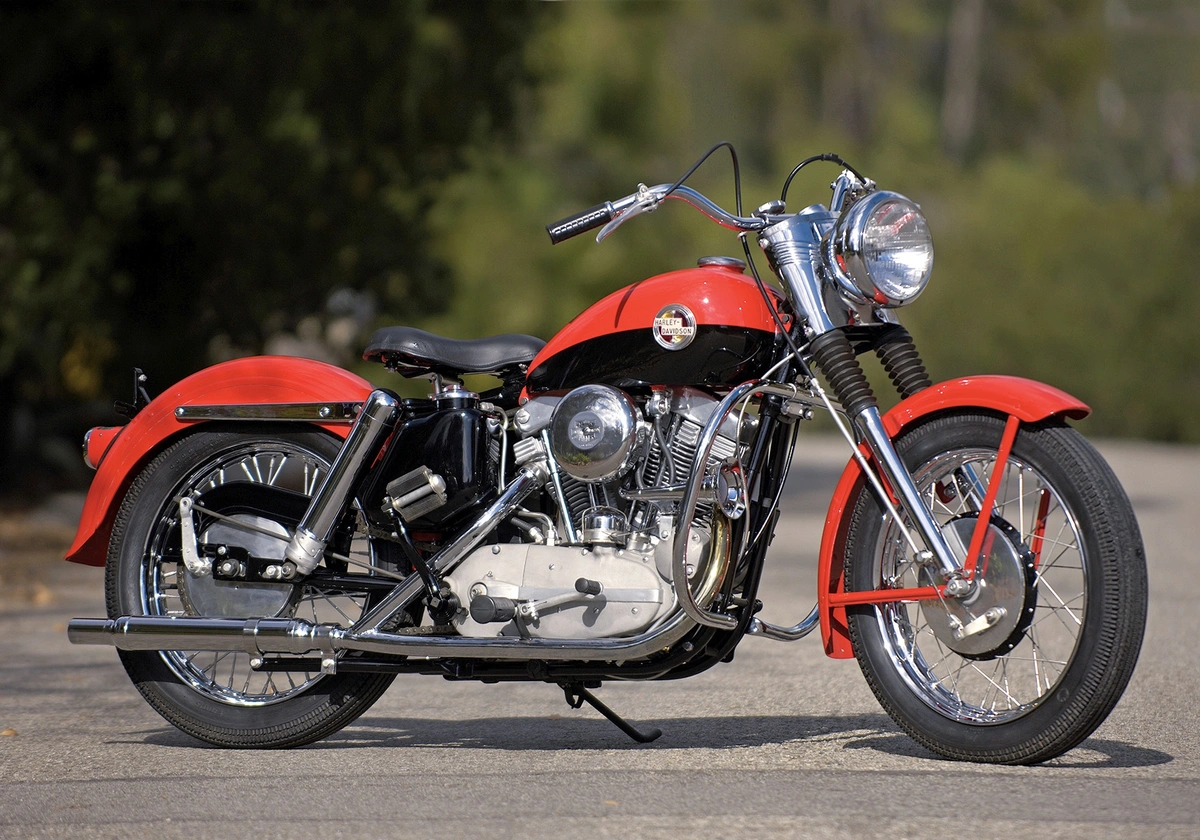
The original Sportster debuted in 1957, though it felt relatively familiar to K-model fans. The Sportster utilized the same frame and front/rear hydraulic suspension, although it replaced the K-model’s 45 cubic-inch powerplant with a larger-displacement 54 cubic-inch overhead-valve engine—later dubbed the “Ironhead” for its cast iron cylinder heads.
Don’t let the bike’s “XL” moniker fool you—the chassis code doesn’t refer to the bike’s “Extra Large” size but rather its “Extra Light” design. The original Sportster was light, and nimble—perfect for the upcoming generation of riders who valued performance.
In 1958, Harley-Davidson announced several new sub-models based on the XL chassis. These included the:
-
XLH Sportster: A high-compression tourer that replaced the standard engine with a new, high-output variant. This new engine featured domed pistons, larger valves, and higher 9.0:1 compression, boosting overall performance. Other features included electric start, optional turn signals, optional taller suspension, and more.
-
XLC Sportster: An off-road version of the iconic XL Sportster with stripped-down specs, including the medium-compression engine, no speedometer, no muffler, no lighting, bobbed fenders, and the iconic peanut gas tank. Harley discontinued the XLC after one production year.
-
XLCH Sportster: A sportier off-road Sportster featuring all the stripped-down specs of the XLC with the addition of the high-compression engine, knobby tires, taller suspension, and some model-specific accents.
-
XLRTT: The ‘Tourist Trophy Racer” special edition.
Harley discontinued the XLC and standard XL in the following two years, leaving only the XLH touring, XLCH high-compression off-roader, and XLRTT special edition.
The conventional 883cc Sportsters, including the XLH and XLCH, remained relatively unchanged aside from annual tweaks through 1970, while the XLRTT sporadically dipped in and out of the lineup.
AMF Harley-Davidson Merger (1971–1981)
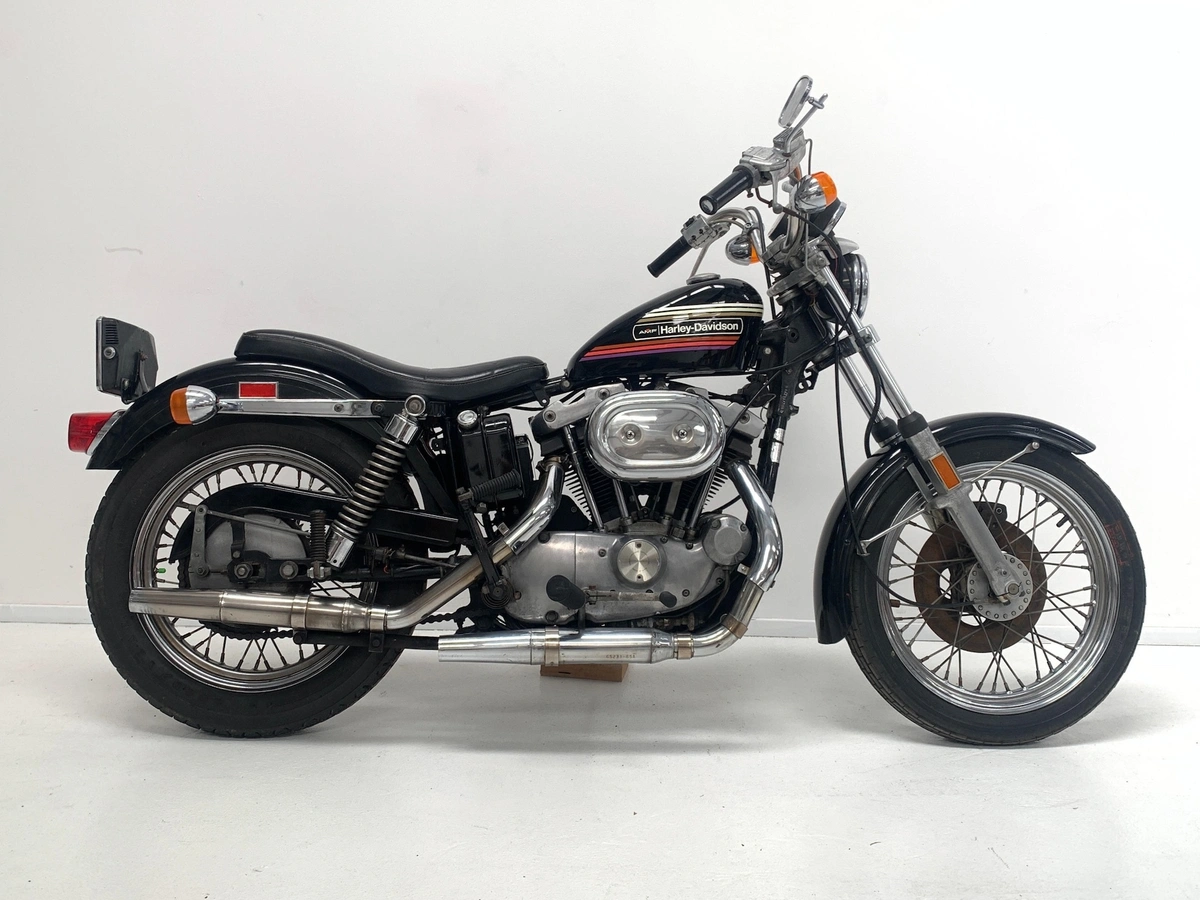
In 1970, while on the brink of financial collapse, American Machine and Foundry (AMF), a massive recreational equipment manufacturer, purchased the Harley-Davidson brand. The company continued to produce the Sportster similarly to Harley-Davidson’s previous generations, retaining the same overall design and features.
The 1971 Harley-Davidson retained the bike’s same 883cc engine, frame, chassis, and standard features. However, the year does mark Harley-Davidson’s partnership with renowned daredevil Evel Knievel.
1972 brought significant changes to the XL Sportster lineup, including boosting displacement to 1,000cc and retrofitting a wet clutch system.
1972 also brought two new models based on the XL Sportster: the XR-750 and XR-750TT. While these new bikes technically aren’t Sportsters, they’re at least first cousins, sporting similar chassis but an all-new aluminum 750cc V-twin powerplant.
The XR-750 chassis holds high esteem in motorsports, having dominated flat-track racing circuits for decades.
The Last of the Ironheads (1981–1985)
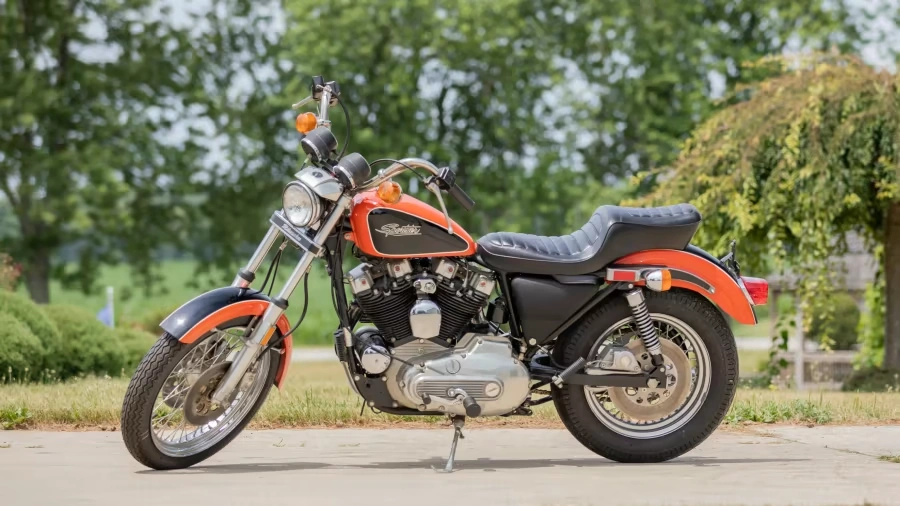
In 1981, Harley’s chief executive officer, Vaughn Beals, and 10 other executives bought Harley-Davidson back from AMF. Beals was named CEO in 1981, a position he retained until 1989 after leading the company out of financial ruin.
Harley-Davidson continued production of its iconic 1000cc Ironhead Sportsters through 1985, with several sub-models and special editions appearing during the nearly decade-and-a-half timespan. These include:
-
Liberty Edition (1975)
-
Confederate Edition (1977)
-
75th Anniversary (1978)
-
Milwaukee Edition (1981)
-
XLT Touring (1976–1978)
-
XLS Roadster (1978–1984)
-
XLH Hugger (1980)
In 1985, the company announced the Sportster’s most significant departure in three decades: discontinuing the bike’s Ironhead powerplants.
The Harley-Davidson Sportster Evolution (1986–2022)
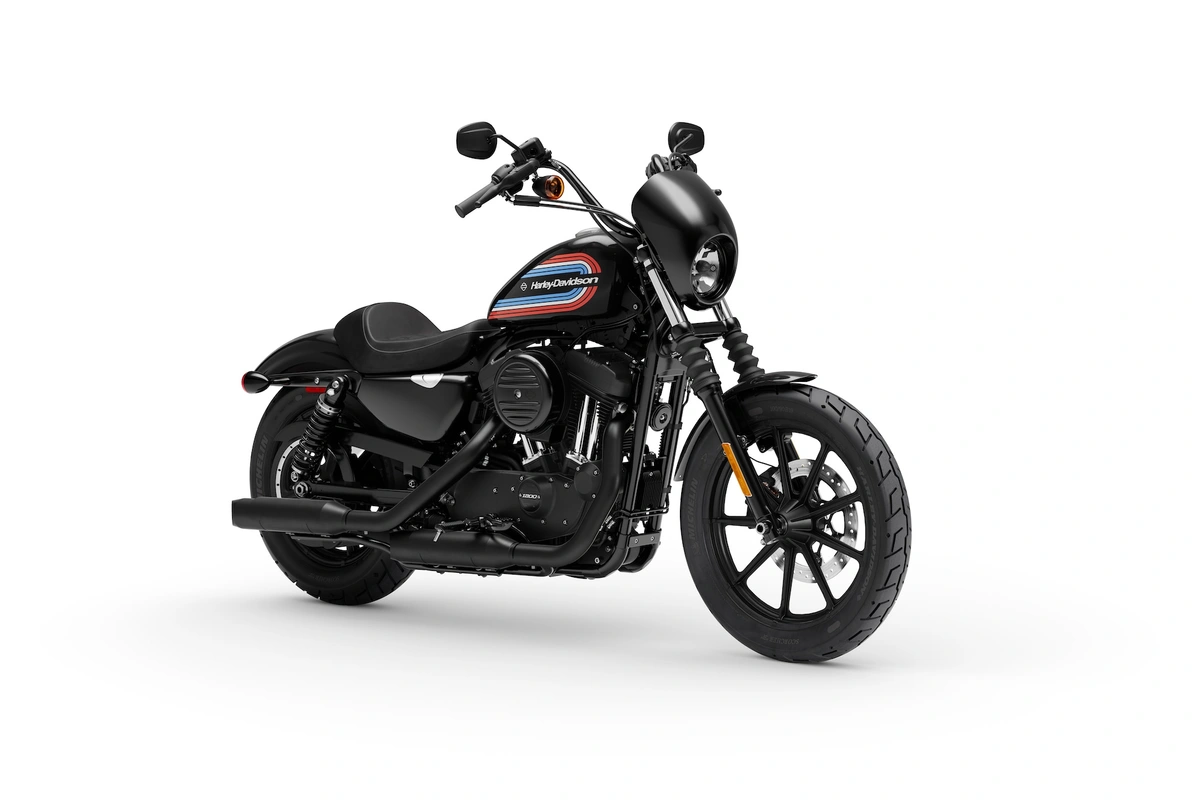
Much to the dismay of die-hard Sportster fans, Harley-Davidson announced the end of the company’s iconic ironhead-powered Sportsters in 1985. Fortunately, this massive change wasn’t in vain. The ironhead's replacement—the Evo—became a fan favorite.
Harley-Davidson announced two new air-cooled Evolution (Evo) series engines in 1986: the 883cc and 1,100cc variants. These engines offered increased performance across the board, modernizing the next generation of Sportsters. Alongside the engine updates came an updated chassis and new model codes: XLH 883 and XLH 1100.
From 1986–1999, all Sportsters utilized the XLH touring chassis code, with the latter digits depicting the engine configuration. During this time, Harley released several sub-models, including the low-slung Hugger, the stylish Custom, and the performance-inspired Sport.
Throughout the next nearly four decades of production, Harley made multiple changes to the Evo Sportster. Some of the most notable include:
-
1200cc Evo engine replaces 1100cc model (1988)
-
Five-speed gearbox replaces four-speed (1991)
-
Standard belt-drive (1993)
-
XL1200C Custom and XL1200S Sport sub-models introduced (1996)
-
All-new chassis with rubber-mounted engine (2004)
-
Standard fuel injection system (2007)
In 2014, Harley-Davidson implemented a massive round of upgrades to its touring chassis, codenamed “Project Rushmore.” The 2014 update wasn’t explicitly aimed at the smaller Sportster—however, the bike indirectly benefited from its big siblings’ newly implemented tech.
The new model year brought such features as:
-
Larger brakes
-
Optional anti-lock brakes (ABS) option
-
Keyless entry
-
Redesigned speedometer with gear indicator/tachometer
-
Increased engine compression ratio
The Sportster remained relatively unchanged through 2022 after 2014’s notable upgrades, subjected only to small revisions. Harley discontinued the model in 2022, the Evo the last of the air-cooled Sportsters. After a 37-year run, they have a huge cult following.
The Nightster and Sportster S (2021–current)
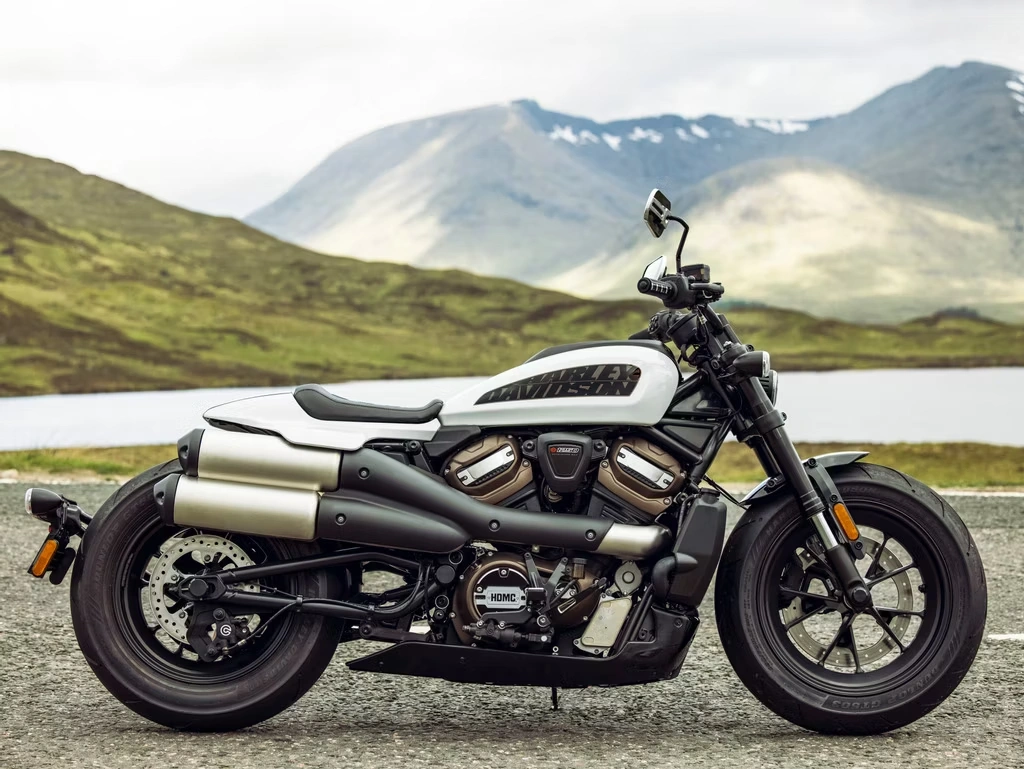
In 2022, Harley-Davidson announced the end of its Evo-powered Sportster—a move that some consider to be the death of the Sportster line.
Harley replaced the iconic Sportster with an all-new bike—the Sportster S—which, aside from the name, shares little with the previous chassis.
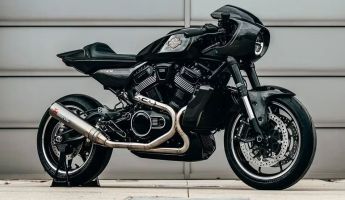
However, that’s not to say the Sportster S isn’t a bike worth considering. The sleek, low-slung, flat-track-inspired sport bike oozes style and packs a punch with its Revolution Max 1250T engine, robbed from the Pan America 1250.
If the Sportster S is too big of a departure from classic Sportster styling, Harley also offers the Nightster, which blends modern specs with a classic Sportster silhouette.
The Nightster doesn’t pack quite the punch of the Sportster S, though its Revolution Max 975 is plenty peppy for the small, nimble bike.
Harley-Davidson continues production of the Sportster S and Nightster motorcycles today. Judging by the company’s propensity to retain Sportster chassis for decades, we likely won’t see another significant departure from the Revolution® Max-powered bikes for some time.
From the bike’s conception in 1957 to its modern refresh, the Harley-Davidson Sportster is one of the longest-produced and most popular motorcycles—not just in the American market but across the globe.
Whether you’re a die-hard Ironhead fan, an Evo-elitist, or a supporter of Harley’s new Sportster line, one thing’s certain: the Sportster name is legendary—and for good reason!