

How to Ensure Safe Motorcycle Tires for Renting or Riding
If you're planning to rent a motorcycle or ride your own, it's crucial to ensure that your motorcycle tires are safe. Your tires are the only point of contact between your bike and the road. In this article, we'll discuss how to make sure you are riding on safe motorcycle tires by covering tire pressure, how to read a tire, and other items that will be useful to a rider.
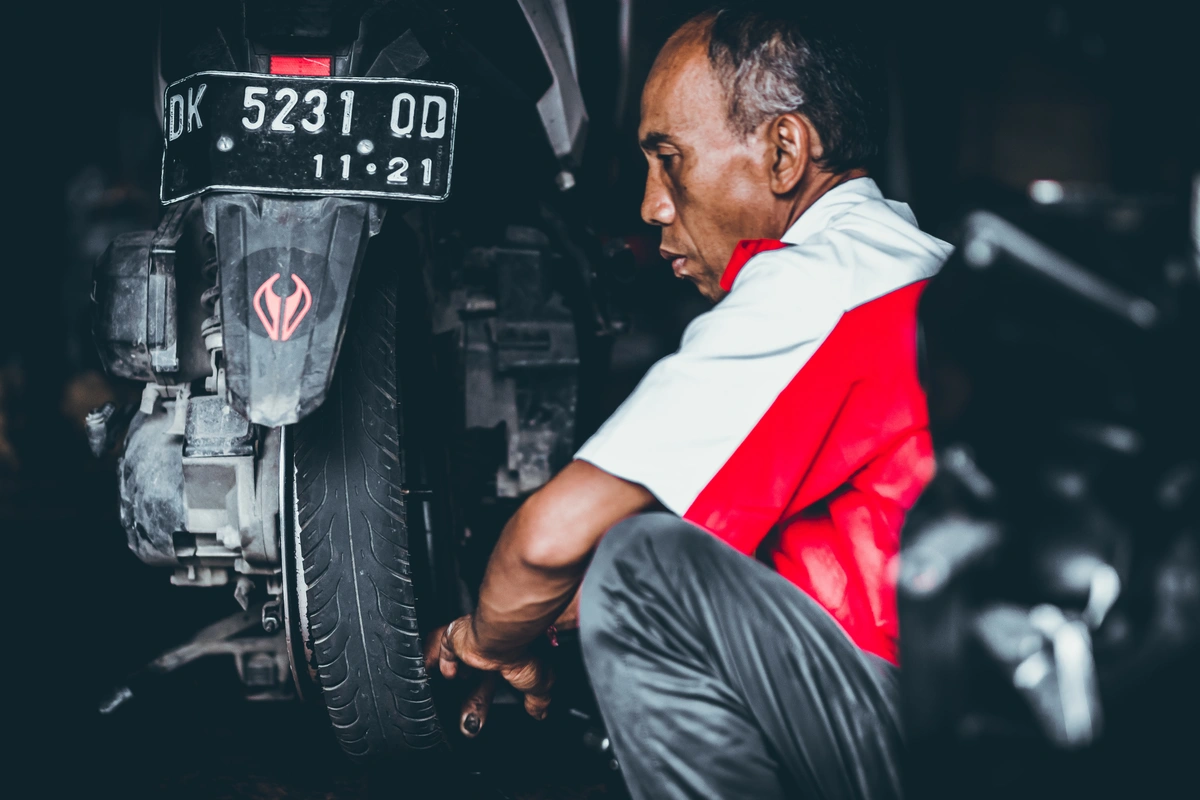
Tire Pressure
Maintaining the correct tire pressure is critical to ensure your motorcycle tires are safe. The correct tire pressure will provide you with better handling, fuel efficiency, and most importantly, prevent accidents.
To determine the correct tire pressure for your bike, refer to the manufacturer's manual. The recommended pressure may vary depending on the type of motorcycle you have, its weight, and the type of tire.
Always check your tire pressure when the tires are cold. When you're riding, the friction between the tires and the road creates heat, causing the air in your tires to expand. This expansion can give you an incorrect reading if you check your tires while they're warm.
To check your tire pressure, you'll need a tire pressure gauge. Remove the valve cap and attach the gauge to the valve stem. Press down until the gauge stops moving, and read the pressure. If the pressure is too low, add air until it reaches the recommended level. If it's too high, let some air out until it reaches the recommended pressure.
How to Read a Tire
When it comes to reading a tire, there are a few essential numbers and letters that you should understand. Here's what you need to know:
Tire Size
You'll find the tire size on the sidewall of your tire. It will look something like this: 180/55ZR17. The first number (180) refers to the width of the tire in millimeters. The second number (55) is the aspect ratio or the ratio of the tire's height to its width. The "Z" indicates the speed rating of the tire, and the "R" means the tire is of radial construction. The final number (17) is the diameter of the wheel in inches.
DOT Code
The DOT (Department of Transportation) code is a series of numbers and letters that tell you the tire's manufacturing location and date. The first two digits indicate the plant where the tire was manufactured, while the last four digits indicate the week and year of production. For example, if you see "0419," it means the tire was manufactured in the fourth week of 2019. If the tire is more than five years old, it's time to be replaced.
Load and Speed Rating
You'll find load and speed ratings on the tire's sidewall. Load ratings indicate the weight capacity of the tire, while speed ratings indicate the maximum speed the tire can handle.
Other Items to Check
Aside from tire pressure and reading your tire, there are other items you should check to ensure your motorcycle tires are safe. These include:
Tread Depth
Your tire's tread depth is essential for maintaining traction on the road. You should have at least 1.6mm of tread depth for your tire to be considered safe. Use a tread depth gauge to measure your tread depth.
Cracks, Punctures, and Bulges
Inspect your tires for any signs of damage, including cracks, punctures, and bulges. If you notice any damage, replace your tire immediately.
Wheel Alignment
Check your wheel alignment to ensure that your tires are wearing evenly. Uneven wear can cause your tires to wear out prematurely and affect your bike's handling.
In conclusion, keeping your motorcycle tires safe is crucial for your safety and the longevity of your bike, especially if you're renting a motorcycle from a company like Twisted Road Motorcycle Rental. By maintaining the correct tire pressure, reading your tire, and checking for tread depth, damage, and wheel alignment, you can ensure that you have a smooth and safe ride. It's essential to follow the manufacturer's recommendations and, if you're uncertain about anything, consult with a professional mechanic. With proper care and attention, you can enjoy the thrill of riding a motorcycle with peace of mind, whether you're renting from Twisted Road Motorcycle Rental or riding your own bike. So, before you hit the road, make sure your tires are safe and ready for the adventure ahead.