
When the temperature drops, most riders roll their bikes into storage and start talking about “next season.” That has never been my approach, and if you are reading this, it probably is not yours either.
Winter riding can be some of the best riding of the year. The air is sharp. The roads are empty. The noise disappears.
But there is no romance in freezing for the sake of it. If you do not have the right cold-weather motorcycle gear, winter riding turns miserable fast.
I have spent years riding through Northeast winters, stacking thousands of cold miles on bikes like the Ducati Multistrada and KTM 1190 Adventure R. I have tested gear across just about every category, sometimes learning the hard way what fails when temperatures drop and conditions get ugly. This guide breaks down what actually works.
From base layers to boots, this is a practical look at the cold-weather motorcycle gear that keeps you riding safely, comfortably, and focused all winter.
We are not talking helmets here. That deserves its own article. Just make sure whatever you wear has a fog-free shield, because visibility matters more than warmth.

Layering: The Key to Cold Weather Riding
Before we get into specific gear, let’s talk about layering—because layering is everything. The right combination of base layers, mid-layers, and outer layers will trap body heat, manage moisture, and protect you from wind and water. Without this strategy, even the best gear won’t save you from freezing.
Think of your gear like a three-part system:
-
Base Layer: Manages moisture and keeps your skin dry.
-
Mid-Layer: Provides insulation and traps warmth.
-
Outer Layer: Shields you from wind, rain, and snow while being breathable.
Now that we’ve got the basics down, let’s talk about specifics.
1. Base Layers: Your First Line of Defense
A solid base layer is the unsung hero of cold-weather riding. Its job? Wicking sweat away from your body to keep you dry. Because here’s the thing—sweat that sits on your skin when it’s freezing outside turns you into an ice cube.
Top Picks for Base Layers
-
Merino Wool Base Layers: Brands like Smartwool and Icebreaker offer merino wool base layers that are warm, moisture-wicking, and naturally odor-resistant. Bonus? They’re soft, not itchy like old-school wool.
-
Synthetic Base Layers: If Merino isn’t your thing, synthetic materials like polyester are also great for wicking moisture. Look for options from Touratech, Klim, or Under Armour.
Tip: Always choose snug-fitting base layers—they’re more effective at trapping heat and pulling moisture away.
2. Mid-Layers: The Insulation You Need
Once your base layer keeps you dry, your mid-layer is there to keep you warm. Think of this layer like the insulation in your house—it traps heat.
Best Mid-Layer Options
-
Fleece Jackets or Sweaters: A lightweight fleece is perfect because it’s warm without being bulky. Brands like Patagonia and Klim offer excellent options for motorcyclists.
-
Insulated Vests: If you don’t want full sleeves, an insulated vest like those from Rukka or North Face ThermoBall is ideal for keeping your core warm.
-
Heated Mid-Layers: Let’s step it up. If you’re serious about cold weather riding, heated gear changes the game. A heated liner like the Gerbing 12V Heated Jacket Liner or Venture Heat Heated Jacket will keep you toasty no matter the conditions.
Tip: Heated mid-layers are especially valuable for long rides. Most models connect directly to your motorcycle’s battery through a pigtail, so you don’t have to worry about running out of power.
3. Outer Layers: Windproof, Waterproof, and Durable
Your outer layer (your riding jacket and pants) has the most important job—it shields you from wind, rain, and snow. This is where Gore-Tex and other waterproof membranes are unbeatable.
Top Features to Look For:
-
Gore-Tex Construction: Gore-Tex is breathable, windproof, and completely waterproof. Brands like Klim, Rev’It!, and Alpinestars incorporate Gore-Tex into their winter gear.
-
Thermal Liners: A removable thermal liner adds versatility to your jacket and pants. With the layered system you don’t really need these, but it’s sometimes nice to have that inner layer for not-so-cold rides.
-
Sealed Zippers and Vents: Keeps wind and water out, but allows you to open vents if the ride heats up.
Top Picks for Jackets and Pants:
-
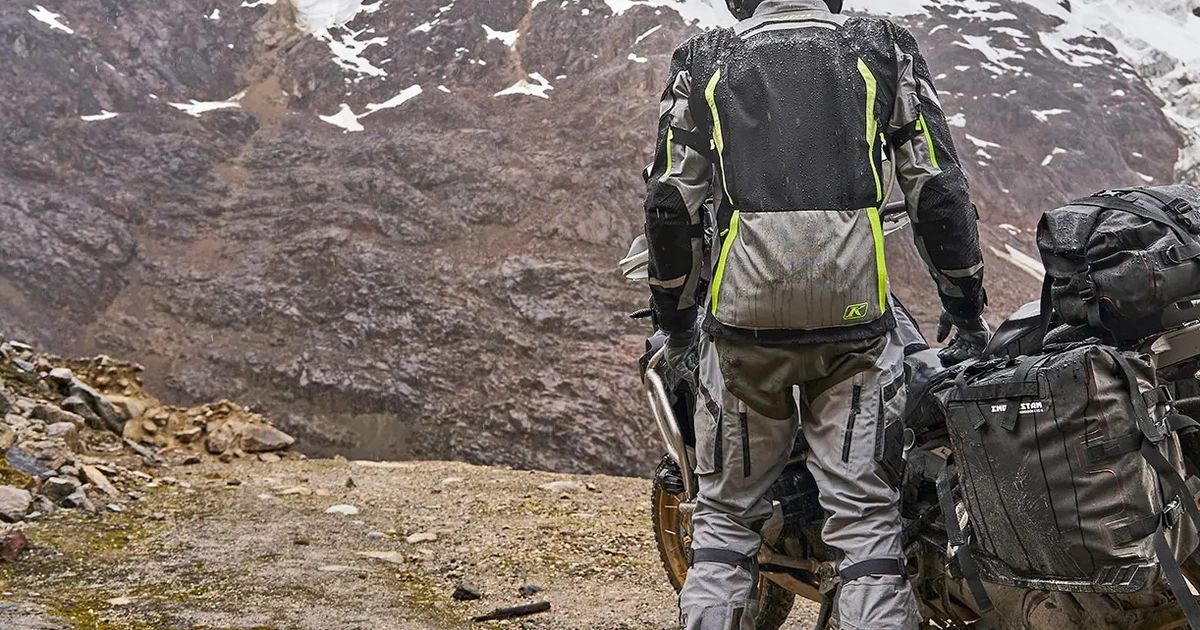
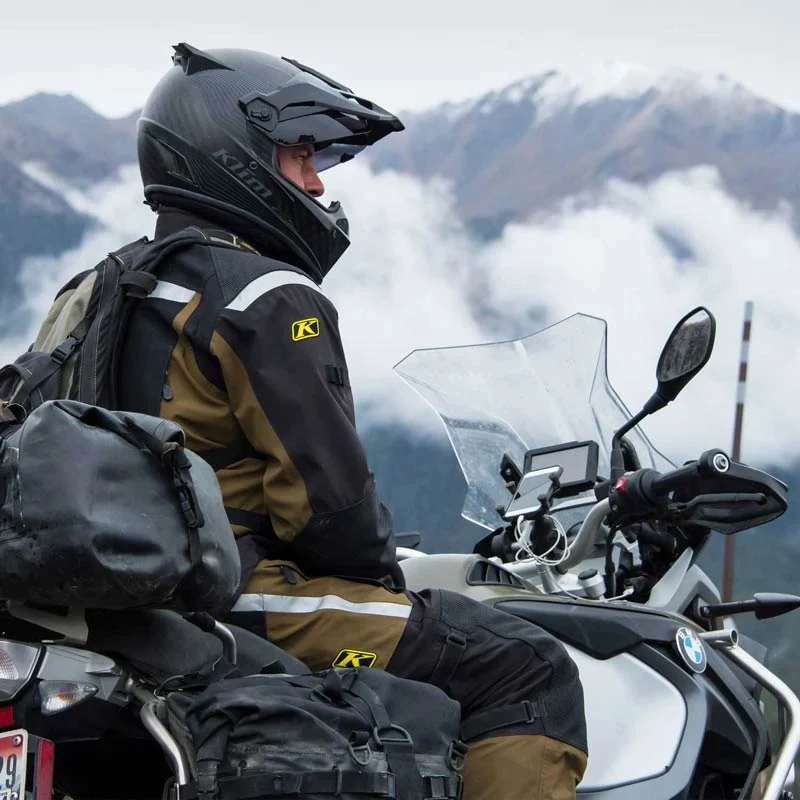
Klim Badlands Pro Jacket & Pants: Built for adventure riders, this Gore-Tex suit is virtually bombproof. Wind, rain, snow? No problem. I’ve ridden over 100,000 miles in my original Badlands and never had an issue. It’s always the go-to for my cold-weather adventure riding.
-
Rev’It! Poseidon 2 GTX: Another excellent Gore-Tex option with removable liners and top-notch protection.
-
Dainese Carve Master 2: For sport-touring riders, this jacket offers great winter protection with a stylish, streamlined design.
4. Winter Motorcycle Gloves: Keep Those Fingers Alive
Your hands are often the first thing to freeze on a winter ride, which is why proper gloves are a must. Look for insulated, waterproof gloves with heated options for maximum comfort.
Best Winter Gloves for Riders
-
Heated Gloves: Models like the Gerbing T5 Hybrid or Klim Hardanger HTD Gloves offer both insulation and built-in heating elements.
-
Insulated Waterproof Gloves: For those who prefer non-heated, check out the Rev’It! Taurus GTX or Alpinestars WR-2 V2 Gore-Tex Gloves. I still use an old set of Held Freezer gloves for the coldest stuff and never had an issue (with the heated grips screaming, of course!).
Tip: Once I rode 200 miles through freezing rain in the Northeast with cheap gloves—never again. After upgrading to heated gloves, winter riding became a joy rather than a chore.
5. Heated Gear: Next-Level Warmth
For most riders who are serious about winter riding, heated gear is the secret weapon that keeps them comfortable on the coldest rides. I personally don’t use heated gear much, but have friends who won’t leave home without it.
Must-Have Heated Gear:
-
Heated Jacket Liner: Keeps your core warm and powers other heated gear.
-
Heated Gloves: Save your fingers from frostbite.
-
Heated Pants and Insoles: If you’re facing sub-freezing temps, heated pants and insoles from brands like Gerbing complete the setup.
6. The Balaclava: Warmth for Your Face and Neck
Your face and neck take a beating in cold winds, and this is where a balaclava comes in. A good balaclava will keep you warm, dry, and protected from wind chill.
Top Balaclava Options:
-
Klim Balaclava: Windproof front, moisture-wicking back, and perfect for adventure riders.
-
Rev’It! Maximus WSP Balaclava: Excellent windproofing for extreme conditions.
-
Under Armour ColdGear Balaclava: Affordable, lightweight, and warm.
7. Cold-Weather Boots: Keep Your Toes Toasty
Cold feet can ruin a ride faster than bad weather. Winter boots should be insulated, waterproof, and comfortable for long hours in the saddle.
Best Winter Riding Boots:
-
Forma Adventure Boots: Waterproof, rugged, and built for long-distance adventure rides.
-
Touratech Destino Ultimate GTX: Made by Rev’It, these are great for touring with Gore-Tex protection and comfort.
-
Alpinestars Corozal Adventure Boots: Affordable, waterproof, and durable.
8. Windshields and Handguards: Deflect the Cold
While not clothing, these accessories can make a massive difference when it comes to staying warm. A larger windshield will keep the icy wind off your chest, and handguards help block cold air from your hands. And while you’re at it, invest in heated grips and Hippo Hands.
What to Pack for Cold Weather Riding
Before heading out, always bring these essentials:
-
Extra base layers.
-
Neck gaiter or scarf.
-
Portable heated gear batteries (if applicable).
-
Waterproof over-pants or over-jacket as a backup.
-
Snacks and water to maintain energy.
Conquer the Cold and Keep Riding
Winter riding isn’t for the faint of heart, but with the right gear, it becomes one of the most rewarding experiences a rider can have. When you’re bundled up in Gore-Tex, heated gear, and the perfect layering system, the cold turns into just another part of the adventure—one you’re prepared to conquer.
Riding through a frost-covered landscape, breathing in crisp winter air, and watching the sunrise as the roads are yours alone—that’s pure magic.
So gear up, invest in quality cold-weather motorcycle gear, and let the winter roads call your name. Whether you’re commuting, touring, or carving corners, you’ll come back with stories that summer riders can only dream of.
And if you want to get away from winter riding, my suggestion is simple—pick a warmer destination on the map and rent the perfect winter motorcycle!
FAQs
What is the most important gear for winter motorcycle riding?
The most important gear is a proper layering system. Base layers manage moisture, mid-layers provide insulation, and outer layers block wind and water. Without all three, even expensive gear falls short.
Is heated motorcycle gear worth it?
Yes, especially for long rides or sub-freezing temperatures. Heated jacket liners and gloves reduce fatigue, improve focus, and extend how long you can ride comfortably.
What materials work best for cold-weather motorcycle gear?
Merino wool and synthetic base layers work best for moisture control. Gore-Tex and similar membranes are ideal for outer layers because they block wind and water while remaining breathable.
How do I keep my hands warm while riding in winter?
Use insulated waterproof gloves or heated gloves. Heated grips, handguards, and wind protection also make a major difference. Cold hands reduce control and reaction time.
What boots are best for winter motorcycle riding?
Winter riding boots should be waterproof, insulated, and supportive. Adventure and touring boots with Gore-Tex or similar membranes perform best in cold and wet conditions.
Can I ride safely in freezing temperatures?
Yes, as long as roads are clear of ice and snow and you are properly equipped. Cold affects focus and reaction time, which is why proper gear matters as much as riding skill.
Why is layering more effective than thick riding gear alone?
Layering traps heat more efficiently, manages sweat, and allows you to adjust as conditions change. One heavy jacket cannot do all three effectively.
How do I prevent fogging in cold weather riding?
Use a fog-free or Pinlock-equipped shield and ensure proper ventilation. Fogged vision is a safety issue, not just a comfort problem.
Is winter riding harder on your body?
Yes. Cold increases fatigue and reduces dexterity. Proper gear helps conserve energy so you stay sharp and alert throughout the ride.
What is the biggest mistake riders make with winter gear?
Buying gear that blocks wind but does not manage moisture. Sweat trapped against your skin will make you colder faster than cold air.