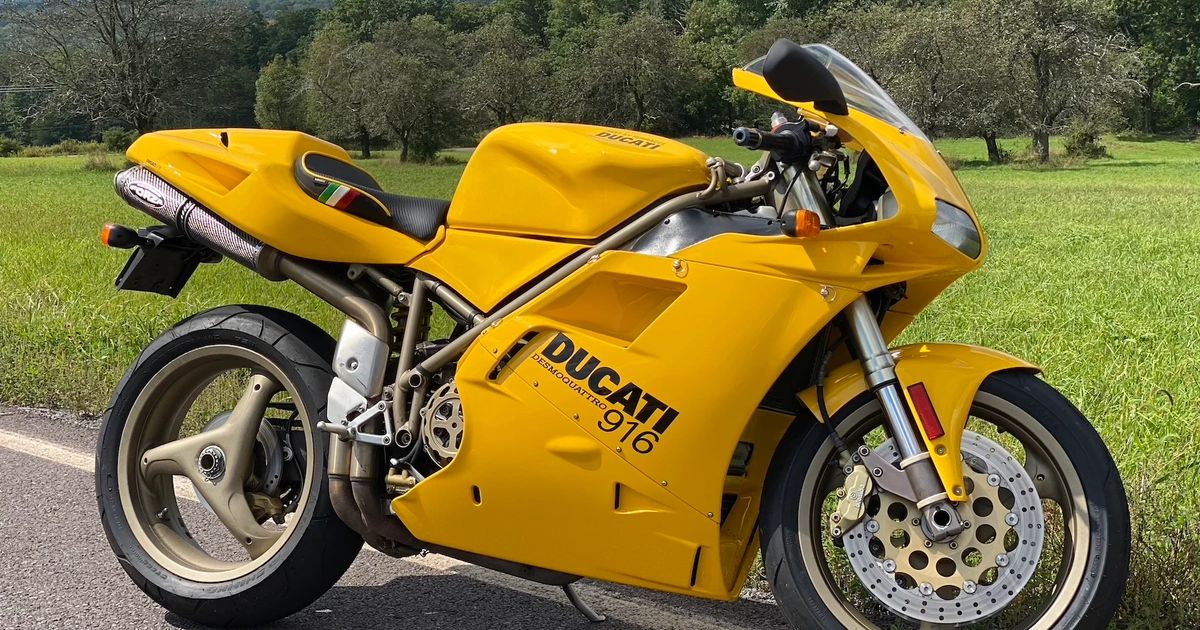
Have your dream motorcycle rental booked and ready to travel to one of those bucket list locations?
Before heading out, there’s one thing worth planning just as seriously as your route: how you’re going to document the ride.
Sure, your phone will fill up fast with snapshots and selfies. But what if you could go beyond that? What if you captured your journey in a way that tells a story, inspires others, and gives you something to look back on with real pride?
This motorcycle photography guide isn’t about pixel-peeping or buying a $4,000 camera. It’s about helping you think like a rider who wants to shoot better, whether that means upgrading your gear or just using your iPhone more creatively.
From what lenses and mounts work best on two wheels, to how to frame your shots on the fly, these tips apply, whether you're renting a motorcycle in Las Vegas, Austin, or Miami, the following will help you capture your experience and share it with your community.

And yes, although we discuss camera gear, many tips here work directly on your mobile phone, regardless of whether you're using the latest iOS or Android device.
Understanding Motorcycle Photography Fundamentals
One way to master motorcycle photography is to understand what creates a great image.
Three key aspects form the foundation of compelling imagery: lighting, composition, and subject matter.
-
Lighting Mastery: The quality and direction of light significantly influence the mood and impact of your photographs. While the midday sun can cast harsh shadows and wash out colors, the "golden hours" of sunrise and sunset offer soft, warm light that enhances the beauty of your surroundings. Experiment with backlighting to create dramatic silhouettes, or use reflectors to fill in shadows and add dimension to your shots. Adjusting your camera's white balance ensures accurate color reproduction, regardless of the lighting conditions.
-
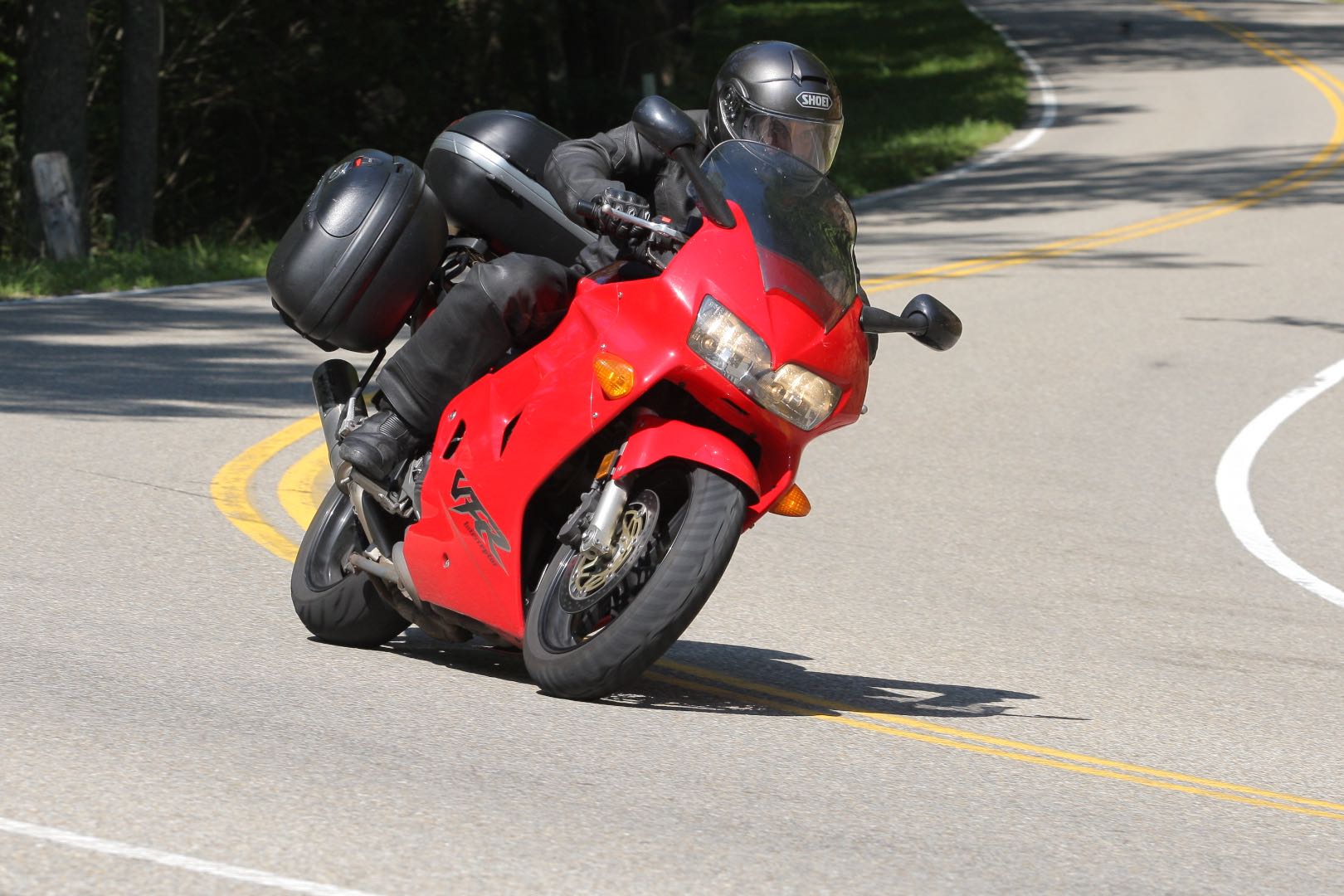
Composition: Composition is the art of arranging elements within the frame to create visually compelling images. Embrace the rule of thirds—a fundamental principle in photography—by placing your motorcycle off-center to create balance and visual interest. Explore different perspectives and angles to capture unique viewpoints, such as low-angle shots to emphasize the power and presence of your motorcycle or high-angle shots to showcase the expansive landscapes surrounding you.
-
Subject Matter: While your motorcycle may be the focal point of your journey, pay attention to the wealth of captivating subjects that await your lens. From capturing the camaraderie of fellow riders to documenting the quaint charm of roadside cafes and scenic pit stops, diversifying your subject matter adds depth and narrative to your photographic story. Look for opportunities to capture candid moments, intricate details, and unexpected elements that evoke emotion and intrigue.
Essential Camera Gear
Just like wearing the proper gear for the conditions, equipping yourself with the right tools is essential for capturing professional-quality motorcycle photography.
Here's a comprehensive list of essential camera gear to enhance your shooting capabilities:
-
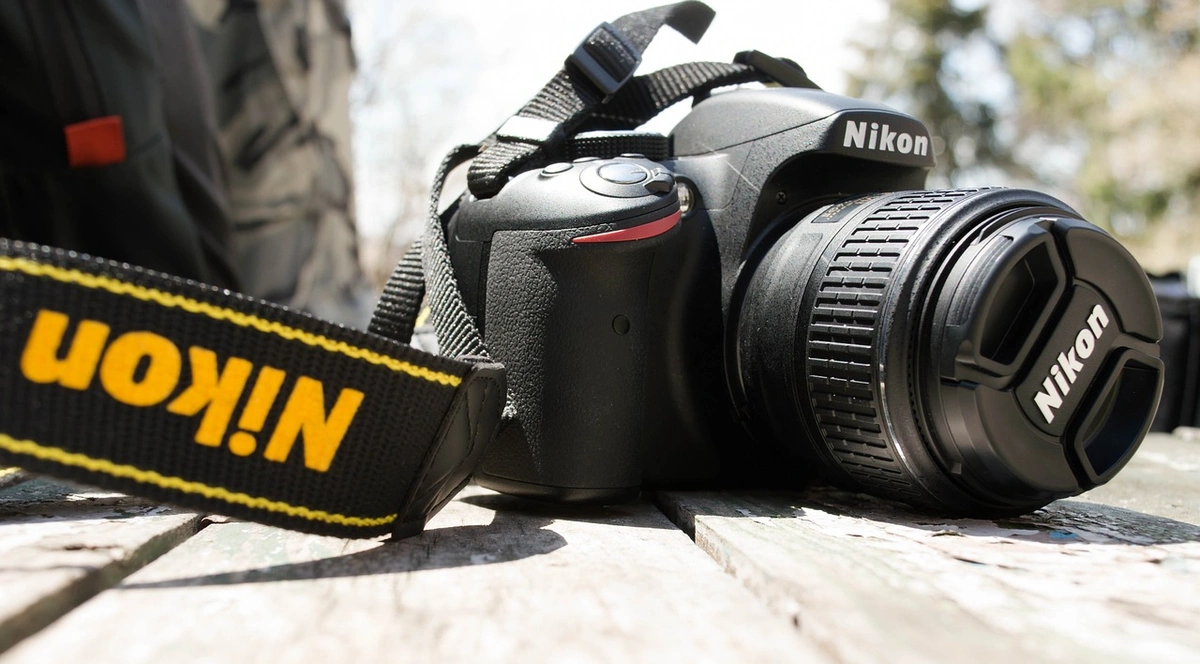
Camera: Choose a DSLR or mirrorless camera with manual settings for maximum control over your shots. Nikon and Canon own these spaces, but many more are available, including a few from Pentax and Sony.
-
Lenses and Filters: Invest in a versatile selection of lenses, including wide-angle, telephoto, and prime lenses, to capture a variety of perspectives. Consider using polarizing and neutral density filters to control reflections and exposure in challenging lighting conditions.
-
Tripod: A sturdy tripod provides stability for long-exposure shots and ensures sharp images, particularly in low-light environments.
-
External Flash: Use an external flash to fill in shadows and add depth to your photos, especially when shooting in backlit situations or dimly lit areas.
-
Camera Bag: Choose a durable, weather-resistant camera bag to protect your equipment from the elements and securely transport it during your travels.
-
Camera Strap: Invest in a comfortable and durable camera strap to securely carry your camera while riding.
-
Cleaning Kit: Clean your lenses and camera sensor and remove dust and debris with a comprehensive cleaning kit.
-
Camera Rain Cover: Protect your gear from rain, dust, and moisture with a waterproof camera rain cover, especially when riding in inclement weather.
Motorcycle Photography Techniques
Taking your motorcycle photography to the next level requires mastering advanced shooting techniques and overcoming unique challenges encountered on the road.
Here are some expert tips to help you capture stunning images during your motorcycle adventures:
-
Dynamic Framing: Experiment with dynamic framing techniques, such as leading lines, framing, and layering, to add depth and visual interest to your compositions. Use natural elements like roads, fences, and trees to guide the viewer's eye toward your subject and create compelling narratives.
-
Motion Blur: Embrace motion blur to convey a sense of speed and movement in your photos. Experiment with different shutter speeds to blur the background while keeping your subject sharp, capturing the exhilarating sensation of riding through dynamic landscapes.
-
Low-Light Photography: Master low-light photography techniques to capture atmospheric images during sunrise, sunset, and twilight hours. Increase your camera's ISO sensitivity and use a wide aperture to maximize light sensitivity and reduce noise in low-light conditions.
-
Long Exposure: Harness the power of long exposure photography to create some cool visual effects, such as light trails and smooth waterfalls. Use a tripod to stabilize your camera and experiment with slow shutter speeds to capture the passage of time and movement in your images.
-
Environmental Portraits: Incorporate environmental portraits into your motorcycle photography to tell a compelling story about your journey and surroundings. Include landscape, architecture, and cultural elements to provide context and depth to your portraits, capturing the essence of your travel experiences.
Armed with the right gear, technical know-how, and creative vision, you can elevate your motorcycle photography to new heights and create a captivating visual diary of your travels.
With that said, here are a few other considerations for those seeking information about motorcycle photography.
Post-processing Tips
After capturing your motorcycle tour memories, consider enhancing them through post-processing techniques. Software like Adobe Lightroom or Photoshop can help adjust colors, contrast, and sharpness to bring out the best in your images.
Experiment with different editing styles to achieve the desired look and feel for your photos. Remember, post-processing is about enhancing your vision, so don't be afraid to get creative and express your unique perspective through editing.
Legal Considerations
Before snapping away, familiarize yourself with the legal aspects of photography, especially when shooting in public or private spaces.
Respect property rights by obtaining permission before photographing on private property, and be mindful of copyright laws when sharing your photos online.
Additionally, adhere to local regulations regarding drone use for aerial photography to avoid legal issues and ensure a smooth shooting experience.
Safety Precautions
Safety should always be a top priority when capturing motorcycle tour moments. Secure your camera gear properly to prevent it from becoming a distraction or hazard while riding.
Avoid taking photos in situations that could compromise your safety, such as during high-speed maneuvers or in heavy traffic. Stay focused on the road and maintain situational awareness at all times to prevent accidents and ensure a safe and enjoyable photography experience.
Tips for Smartphone Photography:
If you prefer using your smartphone for photography, there are plenty of tips and tricks to maximize its capabilities. Explore the features of your smartphone camera and experiment with different shooting modes and settings.
Consider investing in accessories like clip-on lenses or stabilizers to enhance your smartphone photography further. Additionally, explore mobile editing apps to fine-tune your photos on the go and unleash your creativity.
Community Engagement
Sharing your motorcycle photography with your social media community can be a rewarding experience. It offers opportunities to connect with fellow moto enthusiasts, share tips and tricks, and gain inspiration from others' photography work or journeys.
Engaging with the community not only fosters learning and growth but also provides a supportive network of fellow photographers who share your passion for capturing the beauty of motorcycle tours.
Motorcycle photography is a fun and exhilarating hobby that allows you to document and cherish memories you form on the road. For more tips, learn how to use motorcycle photography to earn more rentals for your motorcycle on Twisted Road.
Motorcycle Photography FAQs
Here are some of the most asked questions about motorcycle photography.
How can I protect my camera gear while riding?
Invest in weatherproof camera bags or covers and secure your equipment with sturdy straps to protect it from the elements. Additionally, consider using padded inserts and dividers to organize your gear and minimize the risk of damage during transit.
What are some tips for capturing motion blur while riding?
Experiment with different shutter speeds to achieve the desired amount of motion blur while keeping your subject sharp. Utilize panning techniques to track your subject's movement and maintain focus, creating dynamic and immersive images.
How can I improve my composition skills in motorcycle photography?
Study the principles of composition, such as the rule of thirds and leading lines, to create visually compelling images. Experiment with different perspectives and angles to add depth and visual interest to your compositions.
What are the benefits of using lens filters in motorcycle photography?
Lens filters can enhance the quality of your images by reducing glare, controlling reflections, and improving color saturation. Additionally, they allow you to achieve long exposure effects and creative visual effects, adding depth and drama to your photos.
How can I overcome challenges posed by changing lighting conditions during a motorcycle tour?
Adjust your camera's white balance settings to ensure accurate color reproduction in different lighting conditions. Experiment with backlighting and reflectors to manipulate light and create visually striking images. Additionally, shoot during the "golden hours" of sunrise and sunset to take advantage of soft, warm light that enhances the beauty of your surroundings.
How can I ensure my camera gear stays secure while riding?
Invest in camera straps specifically designed for motorcycle use to fasten your camera while riding securely. Additionally, consider using tethering systems or mounts to prevent accidental drops or damage.
What are some tips for composing dynamic shots while on the move?
Experiment with framing techniques such as panning and tracking to capture dynamic shots of your motorcycle in motion. Utilize wide-angle lenses to emphasize the sense of speed and movement, and consider incorporating leading lines from the road or surrounding landscape to add depth to your compositions.
How can I protect my camera gear from vibrations and bumps while riding?
Use shock-absorbing camera mounts or stabilizers to minimize vibrations and ensure sharp images, especially when riding on rough terrain or at high speeds. Additionally, consider using foam padding or cushioned inserts within your camera bag to provide extra protection against impacts.
What are some creative ways to incorporate reflections into motorcycle photography?
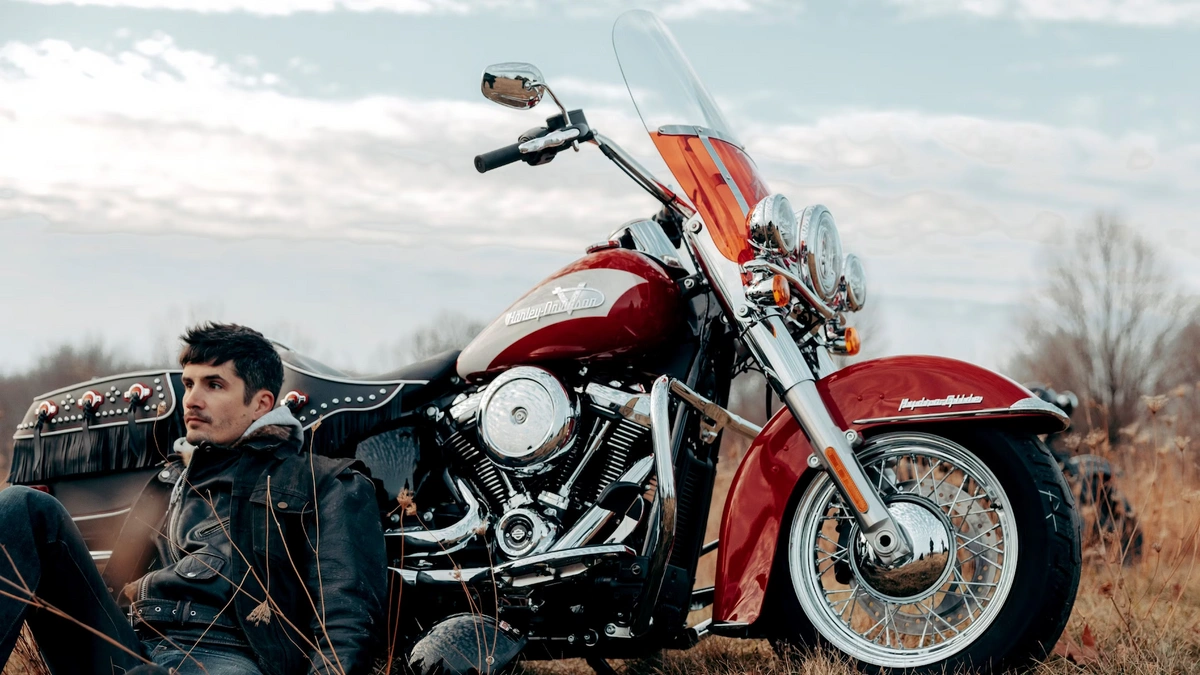
Experiment with capturing reflections from shiny surfaces such as water bodies, chrome parts of your motorcycle, or reflective road surfaces. Utilize polarizing filters to control glare and enhance the clarity of reflections, adding visual interest and depth to your images.
How can I make the most of shooting in challenging weather conditions?
Invest in weather-sealed camera gear and accessories to protect your equipment from rain, snow, and extreme temperatures. Use lens hoods and rain covers to shield your lenses from water droplets and moisture, and consider shooting in overcast or foggy conditions to create atmospheric and dramatic images.