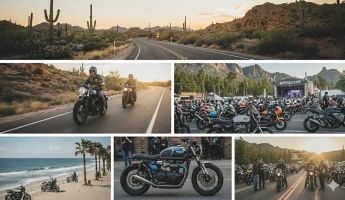

Following Daytona and Arizona Bike Weeks, Myrtle Beach Bike Week’s spring rally, also known as the Spring Beach Rally, is yet another major event that attracts motorcyclists from around the world.
This year’s Spring Rally is set for May 9 -18, and it will once again transform South Carolina’s Grand Strand into a haven for motorcycle enthusiasts, offering coastal rides, vibrant nightlife, and a sense of community that draws riders for all types, from cruisers to adventure motorcycles and everything in between.
Many riders know about Myrtle Bike Week, but not much about its history. Here’s what you need to know, along with a guide to the 2025 Spring Rally. Can’t make it? There’s always the Fall Rally, which is set for Sept. 28 - Oct. 6 this year.

Myrtle Beach Bike Week History
With roots dating back to 1940, the Myrtle Beach Bike Week rally has morphed from a local beach-town get-together into a full-scale, nationally recognized motorcycle celebration. The event has endured world wars, economic fluctuations, political backlash, and even legal challenges.
Through it all, the rally has remained a bucket-list experience for riders across the country.
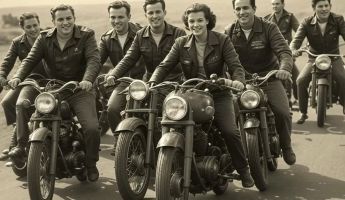
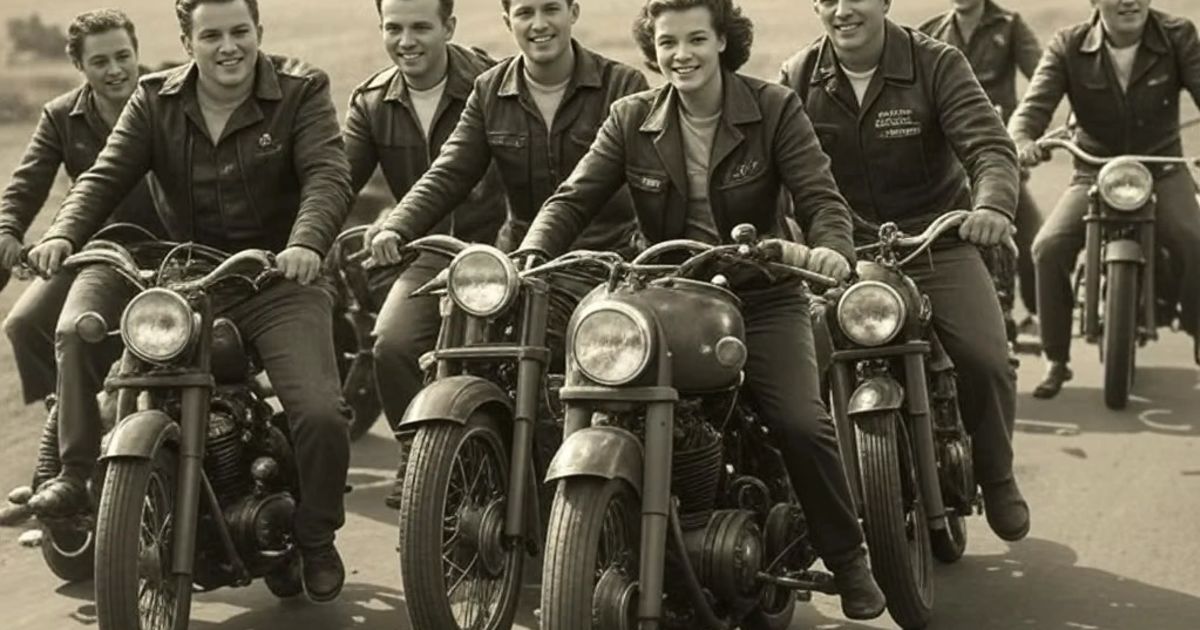
It all began in 1940, when a small group of motorcyclists made their way to Myrtle Beach for sun, sand, and camaraderie on two wheels. That first year, only about 200 riders showed up—but even then, the rally had a spark.
It wasn’t long before Myrtle Beach Bike Week became a recurring event, unofficially gaining momentum throughout the 1950s and beyond. Local bars, beachside motels, and roadside diners began catering specifically to bikers, building what would become a lasting infrastructure for motorcycle tourism.
In the decades that followed, attendance grew exponentially, with bikers traveling from as far as Canada and the West Coast. By the 1980s and 1990s, the rally was attracting hundreds of thousands of visitors. Yet the explosive growth came with tension.
Conflicts with city ordinances and resident complaints led to a period of legal wrangling in the 2000s, particularly after Myrtle Beach enacted a mandatory helmet law that conflicted with state law. That led to one of the biggest legal fights in rally history, one that went all the way to the South Carolina Supreme Court, which ruled in favor of the bikers.
Despite those battles, the heart of Bike Week never faded. While Myrtle Beach itself has sometimes distanced itself from the rally, nearby towns like Murrells Inlet and North Myrtle Beach have leaned in, continuing the legacy with open arms.
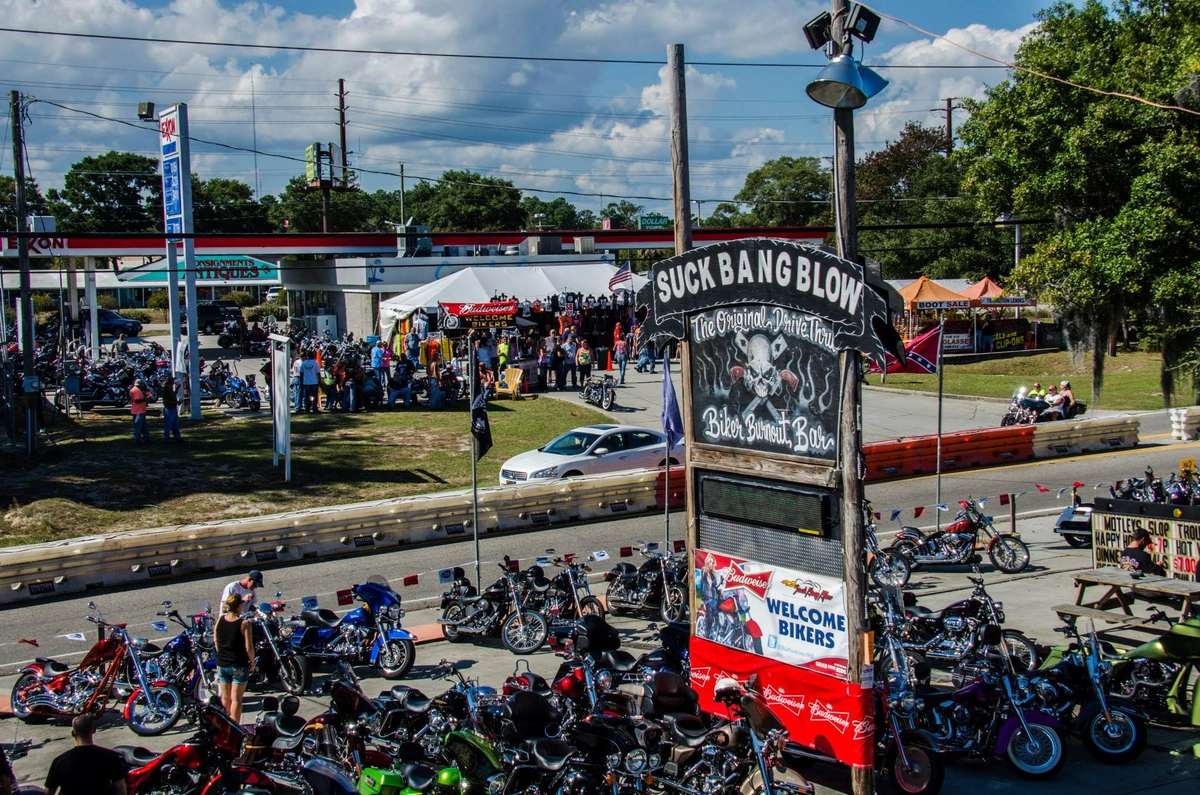
The present-day experience remains centered around these rider-friendly locations, offering bike shows, burnout contests, scenic coastal rides, and enough live music and nightlife to keep the party going for ten straight days.
More than just a rally, Myrtle Beach Bike Week is a living piece of stateside motorcycle history. It’s a place where vintage iron and modern machines share the same roads.
Key Historical Highlights
-
1940: Myrtle Beach Bike Week begins with an estimated 200 participants gathering at the beach.
-
1941–1945: Rally pauses during World War II, as most riders serve in the armed forces.
-
Post-War Boom: After WWII, the event gains popularity rapidly, becoming an annual tradition.
-
1950s–1960s: Bike Week remains a largely local and regional event, but word of mouth drives growing attendance.
-
1970s–1980s: The rally begins to gain national traction, attracting riders from across the United States and Canada.
-
1990s: Myrtle Beach Bike Week becomes one of the largest motorcycle rallies in the country.
-
2008: The City of Myrtle Beach attempts to shut down the event through new laws, including a local helmet ordinance.
-
2010: South Carolina Supreme Court strikes down Myrtle Beach’s helmet law, reinforcing that only state law applies.
-
2010s–present: The rally thrives in areas such as Murrells Inlet and North Myrtle Beach, with tens of thousands of riders returning annually.
2025 Myrtle Beach Bike Week, Spring Rally To Dos
First off, it’s all about the riding.
Motorcycles can explore over 50 miles of picturesque coastline, from Murrells Inlet to Little River.
A notable event is Crude’s Annual Veteran Ride, held on May 14, an escorted ride that honors veterans and promotes motorcycle awareness. The ride covers approximately 100 miles round trip, starting with breakfast and culminating in a communal lunch.
Beyond the rides, numerous venues across the Grand Strand will feature live music, contests, and themed nights. Vendor villages will offer a wide array of motorcycle gear, custom parts, and memorabilia.
Myrtle Beach Bike Week vendors are primarily situated in the following areas:
-
Murrells Inlet
-
Myrtle Beach
-
Surfside
-
Garden City
-
North Myrtle Beach
The following primary vendor locations span across Georgetown and Horry counties, which make up the majority of the Grand Strand that extends more than 60 miles from Little River to Winyah Bay:
-
The Beaver Bar
3381 U.S. 17 Business
Murrells Inlet, SC 29576 -
Jamin’ Leather
1220 Port Drive
Myrtle Beach, SC 29577 -
The Rat Hole of Myrtle Beach
3833 Socastee Blvd
Myrtle Beach, SC 29588 -
Myrtle Beach Harley-Davidson
4710 S. Kings Hwy
Myrtle Beach, SC 29575
Exploring the Grand Strand
The Grand Strand offers numerous scenic routes for riders. A ride from Murrells Inlet to Georgetown provides a relaxing coastal experience, showcasing historic plantations and waterfront vistas.
Heading north to Calabash, North Carolina, riders can enjoy the town's renowned seafood and charming atmosphere. For those seeking longer journeys, Wilmington, North Carolina, offers a historic downtown and the USS North Carolina Battleship, while Charleston, South Carolina, boasts rich culture and southern hospitality.
The Grand Strand offers a diverse range of lodging options, from luxurious beachfront resorts to budget-friendly motels. For a more rustic experience, several campgrounds cater to bikers during the rally. Vacation rentals, such as houses or condos, are also available and are especially suitable for groups.
Dining options are found everywhere with establishments like Drunken Jack’s and Sea Captain’s House offering fresh seafood. For authentic southern cuisine, restaurants such as Paula Deen’s Family Kitchen provide hearty meals. Iconic biker bars like Suck Bang Blow and The Beaver Bar are known for their lively atmospheres and biker camaraderie.
Understanding South Carolina Motorcycle Laws
Riders under 21 are required to wear DOT-approved helmets and eye protection, such as goggles or face shields. Those 21 and older are not legally required to wear helmets, but it's strongly recommended for safety.
Additional regulations include the requirement for motorcycles to have a rearview mirror and footrests for passengers. Daytime use of headlights is mandatory, and lane splitting or weaving between traffic is prohibited. Excessive noise, such as loud exhaust systems and burnouts, can result in fines. Parking regulations stipulate that no more than two motorcycles may park in a single public space, and if it's a pay-to-park space, both must pay.
Open containers of alcohol are also prohibited in public areas.
Don’t Have Time to Ride There? Rent!
For those unable to make the journey on two wheels, Twisted Road offers a convenient solution: Fly into Myrtle Beach and rent a motorcycle for the duration of the rally.
This approach allows riders to avoid the logistical challenges of long-distance travel while still enjoying the rally experience.
Many Twisted Road members will rent bikes a few hours from Myrtle Beach, such as in Raleigh N.C. and take a day to tour to Myrtle Beach.
Myrtle Beach Bike Week remains one of the most enduring motorcycle rallies in the U.S. because it’s more than a destination—it’s a cultural touchstone for riders who understand what it means to keep tradition alive while embracing the future of two-wheeled travel.
From its gritty origins in the 1940s to its current form that spans the entire Grand Strand, the event has adapted without losing its core identity.
Whether you arrive on a Harley, Ducati, or KTM, the roads, vendors, and veteran-led rides are there waiting.