

Ducati did not release its first motorized machine until 1946. That bike, the Cucciolo, Italian for “puppy,” was closer to a motorized bicycle than a true motorcycle. The first machine officially recognized as a Ducati motorcycle was the Ducati 60, introduced in 1949 after the Cucciolo proved wildly successful.
What most people do not realize is that Ducati’s story began much earlier. The company was founded in 1926 as a manufacturer of radio components, not motorcycles. For more than two decades, Ducati had nothing to do with riding or racing.
Fast forward to 2024, and Ducati is far removed from its radio roots. The name alone now carries weight. Just as Ferrari instantly evokes images of red, speed, and Italian performance, Ducati does the same in the motorcycle world. The Bologna-based brand became synonymous with racing pedigree, unmistakable design, and machines that rewrote expectations. Models like the Ducati 916 changed the future of sportbikes, while the Desmodromic L-Twin became one of the most recognizable engine layouts in motorcycling. Today, that legacy continues with the V4, now the heart of Ducati’s top-tier superbikes.
But Ducati’s story is about more than speed. It is a story shaped by early innovation, post-war Italy, and designers who pushed engineering forward with relentless focus. Long before Ducati built race-winning motorcycles, it built ideas. Those ideas eventually became a dynasty.
What follows is a brief history of one of the world’s most influential motorcycle brands and one of the most rented brands on Twisted Road. On a personal level, Ducati also became my obsession, eventually pushing me to collect and ride far more machines than I ever planned.

From Radio Waves to Two Wheels: Ducati’s Unexpected Beginning
For Ducati, it all begins with a tight family.
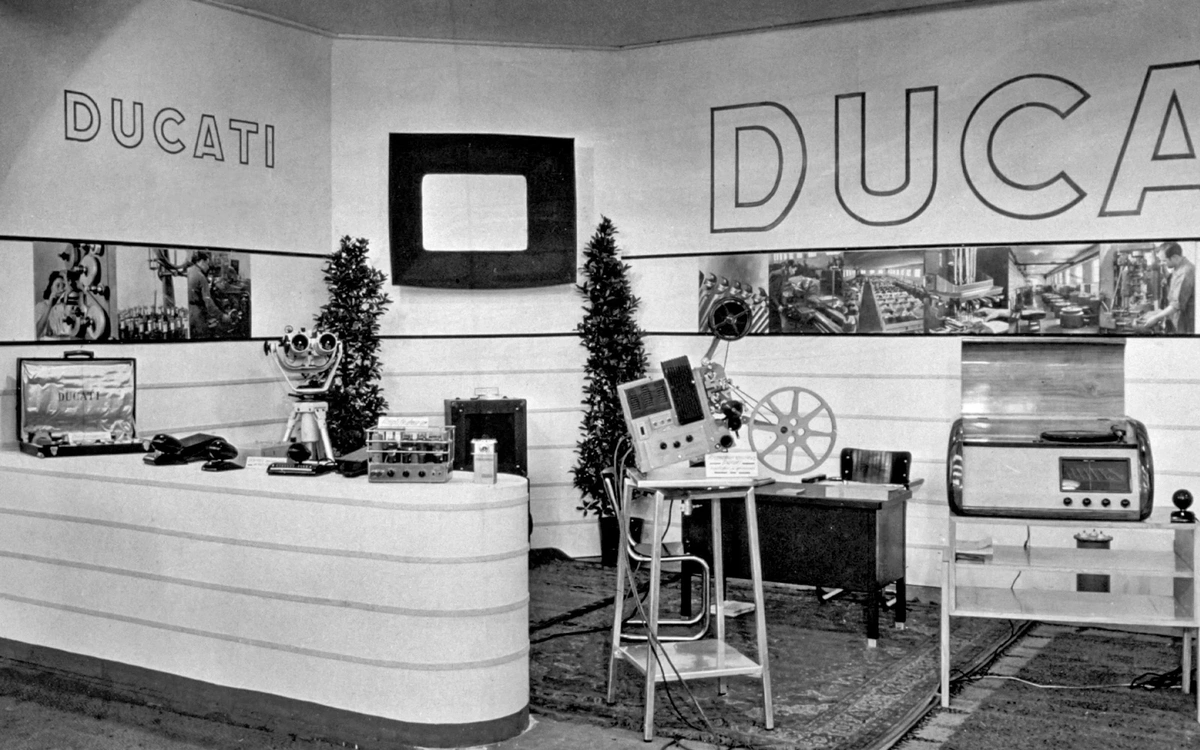
The story begins in 1926, when brothers Adriano, Bruno, and Marcello Ducati, along with their father Antonio Cavalieri Ducati, founded Società Scientifica Radio Brevetti Ducati (SSR Ducati) in Bologna, Italy. Instead of crafting roaring engines, their focus was on the then cutting-edge radio technology like vacuum tubes and condensers. The family quickly gained recognition for their innovative designs and advanced technology.
By the 1930s, Ducati was thriving. They became a major employer in Bologna, building a modern factory in the Borgo Panigale area, a name that would later become synonymous with high-performance Ducati motorcycles. Their expertise in electronics even attracted the attention of Guglielmo Marconi, the Nobel Prize-winning inventor of the radio.
In fact, he visited the Ducati headquarters during the First Italian Radio-technicians Conference in 1934. He signed a photo for the Ducati brothers, a relic of those early days that still exists today and can be found in the Ducati Museo in Borgo Panigale. This photo stands as a testament to Ducati's early technological prowess.
However, like so many companies at the time, World War II significantly impacted Ducati. Allied forces bombing raids in 1944 destroyed most of the Ducati factory. Post-war, Italy needed affordable, practical transport, and the bicycle needed a bit more range based on how far people had to travel for goods or work.
This presented an opportunity for Ducati to pivot and meet the growing demand. They began producing a clip-on engine for bicycles, cleverly dubbed the "Cucciolo," which translates to "puppy."
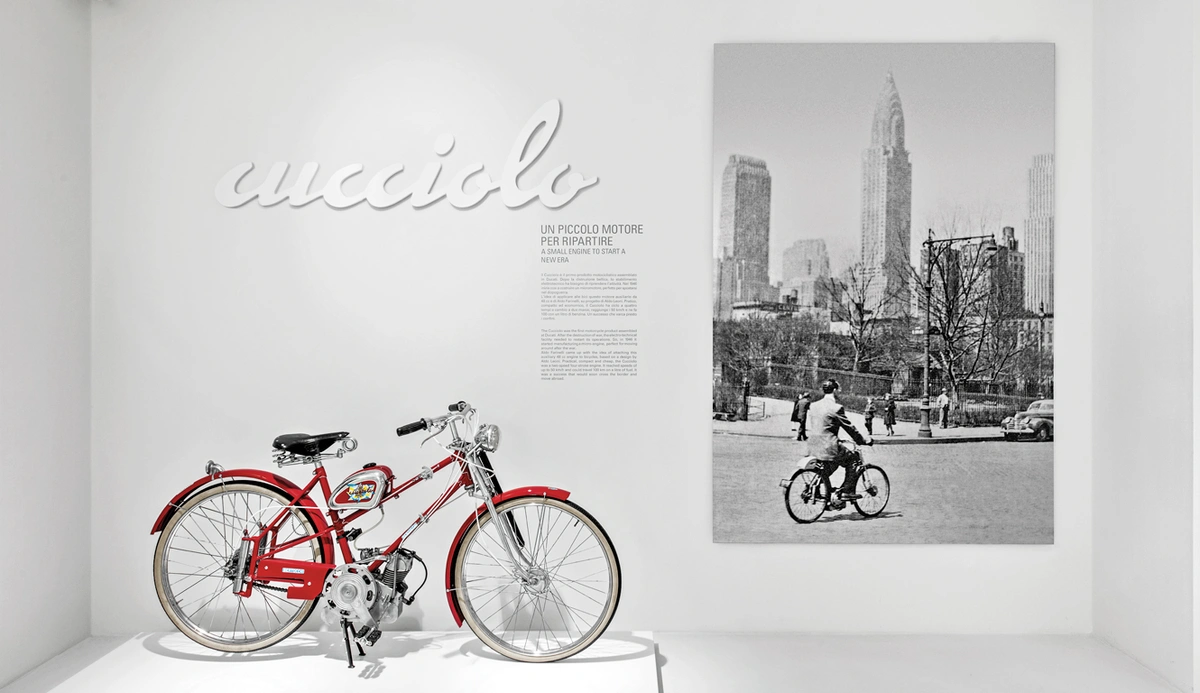
This name perfectly captures the spirit of this small 48cc two-stroke engine. The Cucciolo's success propelled Ducati from an engine supplier to a full-fledged motorcycle manufacturer. In 1949, they unveiled the Ducati 60, their first complete motorcycle—no more pedals needed. This 99-pound machine was powered by an overhead-valve 59cc engine that made 2 horsepower (yes, you read that correctly!), a three-speed transmission, and modernized suspension for its time, which set the tone for Ducati's commitment to innovation.
The bike could reach a top speed of just over 37 mph and travel over 60 miles on just a quarter gallon of fuel - pretty quick and long for that time.
While simple compared to later Ducatis, it marked their official entry into the world of motorcycling, setting off a journey like no other. The bike paved the way for everything to come, establishing the racing spirit by dominating various popular road races on future models.
Fabio Taglioni: The Engineering Genius Behind Ducati’s Soul
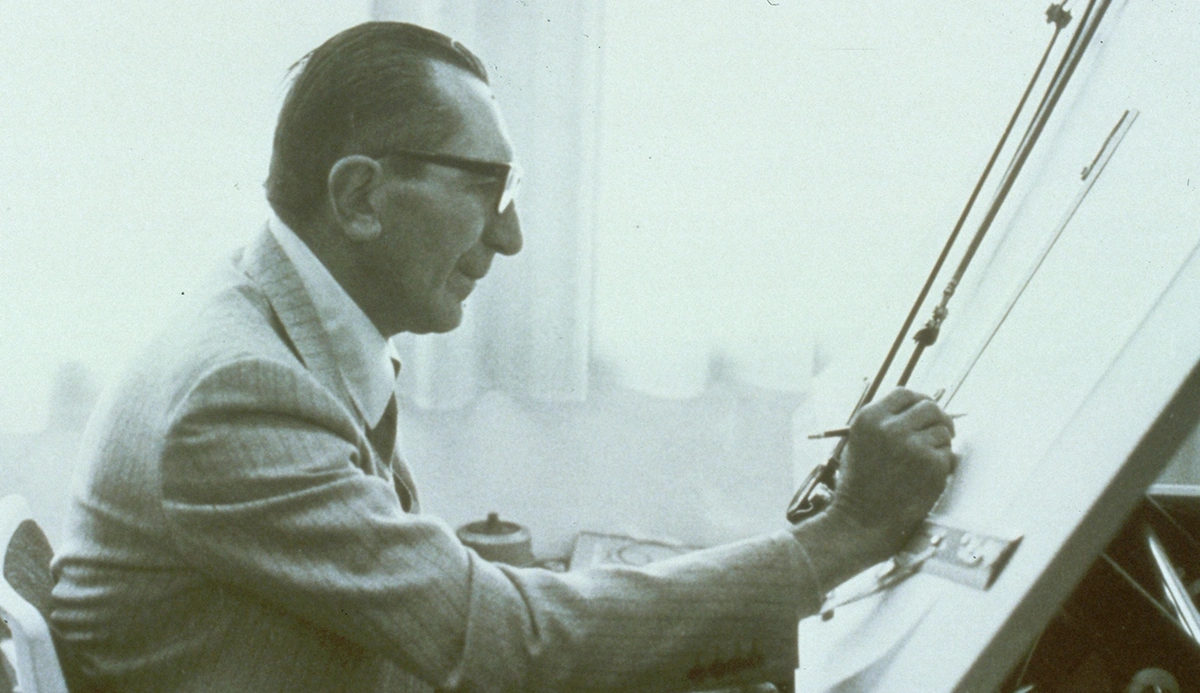
Enter Fabio Taglioni, a legendary figure in Ducati history and one of motorcycling's most important engineers. He joined Ducati in 1954 and revolutionized their design philosophy. Taglioni is often referred to as "Doctor T" because of his meticulous approach to design and profound understanding of engine dynamics.
He was Ducati’s answer to the demand for even more potent and thrilling motorcycles. His arrival marked the beginning of a golden era for Ducati, one defined by groundbreaking engineering and iconic designs.
Desmodromic Valves: Ducati’s Signature Performance Advantage
Taglioni introduced the revolutionary Desmodromic valve system to Ducati in 1956. In a typical engine, valve springs close the valves after combustion. But at high engine speeds, springs can bounce and struggle to keep up.
The Ducati Desmo system replaced springs with a precise mechanical system that actively opens AND closes the valves. The name, derived from Greek words meaning "bond" or "knot" and "track" or "way," describes how the valves are continuously linked to the camshaft.
First tested in racing in the 1956 125 Desmo, the Desmo system gave Ducatis an edge, eliminating the limitations of springs and allowing higher revs and greater horsepower. This is where the legendary roar of the Ducati twin really began to come alive. It offered increased engine performance, reliability, and a distinct sound that would define Ducati motorcycles.
The Birth of Ducati Icons: From the Marianna to the 916
Taglioni’s genius birthed some of the most iconic Ducati motorcycles. His Gran Sport 125 Marianna in 1955 showcased his passion for pushing the boundaries of performance and established Ducati in the demanding world of Italian endurance racing.
The Marianna, the first motorcycle equipped with a single-cylinder bevel gear-driven engine, solidified Ducati’s reputation for building high-performance motorcycles.
But perhaps Taglioni’s greatest masterpiece was the Pantah 500SL in 1980. This motorcycle marked a significant turning point in Ducati's history. The Pantah established the core elements of Ducati's modern bikes: the potent 90-degree V-twin engine and the distinctive trellis frame, still defining the visual language of Ducatis today.
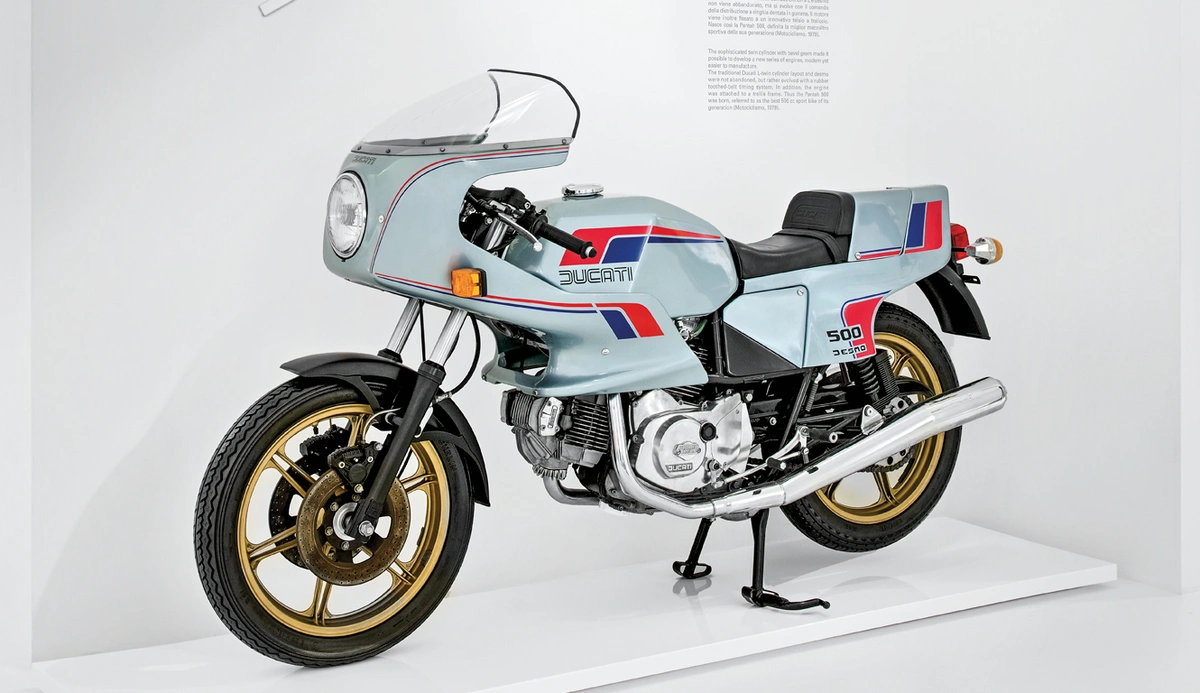
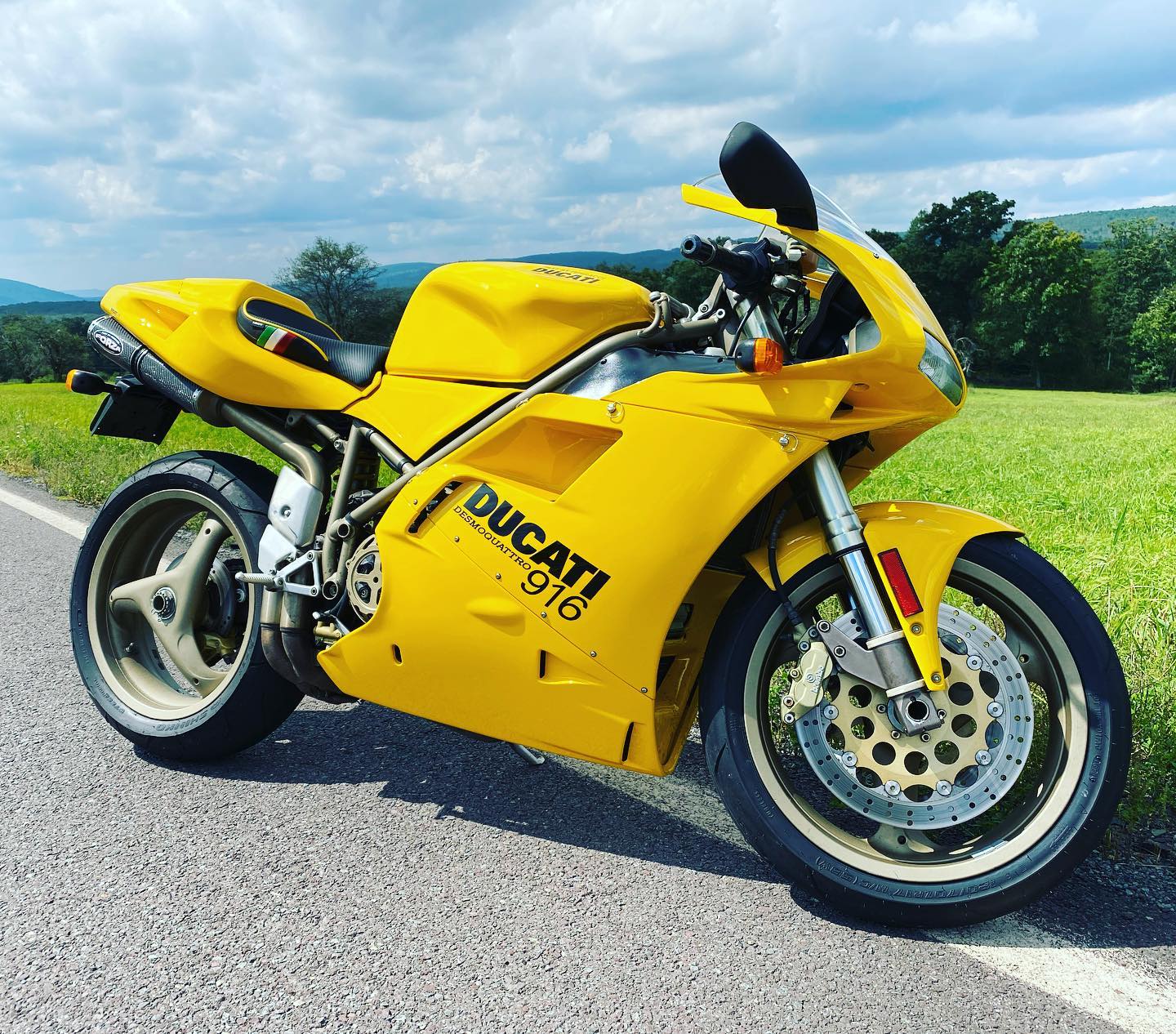
The legacy of this design extends far beyond the original Pantah, forming the foundation for a long line of Ducatis like the iconic 916. Unveiled in 1994 and designed by the renowned Massimo Tamburini (who also penned the beautiful MV Agusta F4 750), the Ducati 916 took the motorcycling world by storm.
Its aggressive lines, dual headlights, and that unmistakable Desmoquattro roar earned it legendary status. Tamburini’s design proved timeless; even today, the 916 stands as one of the most stunning motorcycles ever built, desired by enthusiasts and collectors alike. It remains a sought-after model for its stunning aesthetics and exhilarating performance.
I personally searched for decent one for over a decade, and finally have a bright yellow 98 in my collection—with a Fast by Ferracci build.
From Family-Owned to VW Group: The Evolving Ownership of Ducati
Throughout its existence, Ducati has experienced various ownership shifts. In the late 1940s, financial difficulties led to government control of the company. Italian manufacturer Cagiva bought Ducati in 1985 and steered them through another challenging phase.
In 2012, the VW Group, via their Audi subsidiary and specifically Lamborghini Automobili S.p.A, acquired Ducati. This strategic move reflected Ducati’s stature as a premium brand, aligning them with another Italian automotive icon.
Today, under the VW Group's stewardship, Ducati enjoys global success, continuing to produce some of the world's most coveted high-performance motorcycles. Their motorcycles are known for their engineering excellence, innovative geometric solutions, and distinctive Italian design.
Racing Heritage: Ducati’s DNA on the Track
Racing is deeply embedded in Ducati's identity. From those early Ducati 60 successes on Italian roads to MotoGP championships, the drive to win fuels Ducati. Following some rule changes for the 2003 Grand Prix seasons that gave priority to four-stroke machinery, Ducati returned with its Desmosedici GP3
With its 90-degree V4 Desmo engine, the Desmosedici became an icon in MotoGP, propelling Casey Stoner to a world championship victory in 2007. This victory cemented Ducati’s place among the world’s elite motorcycle manufacturers.
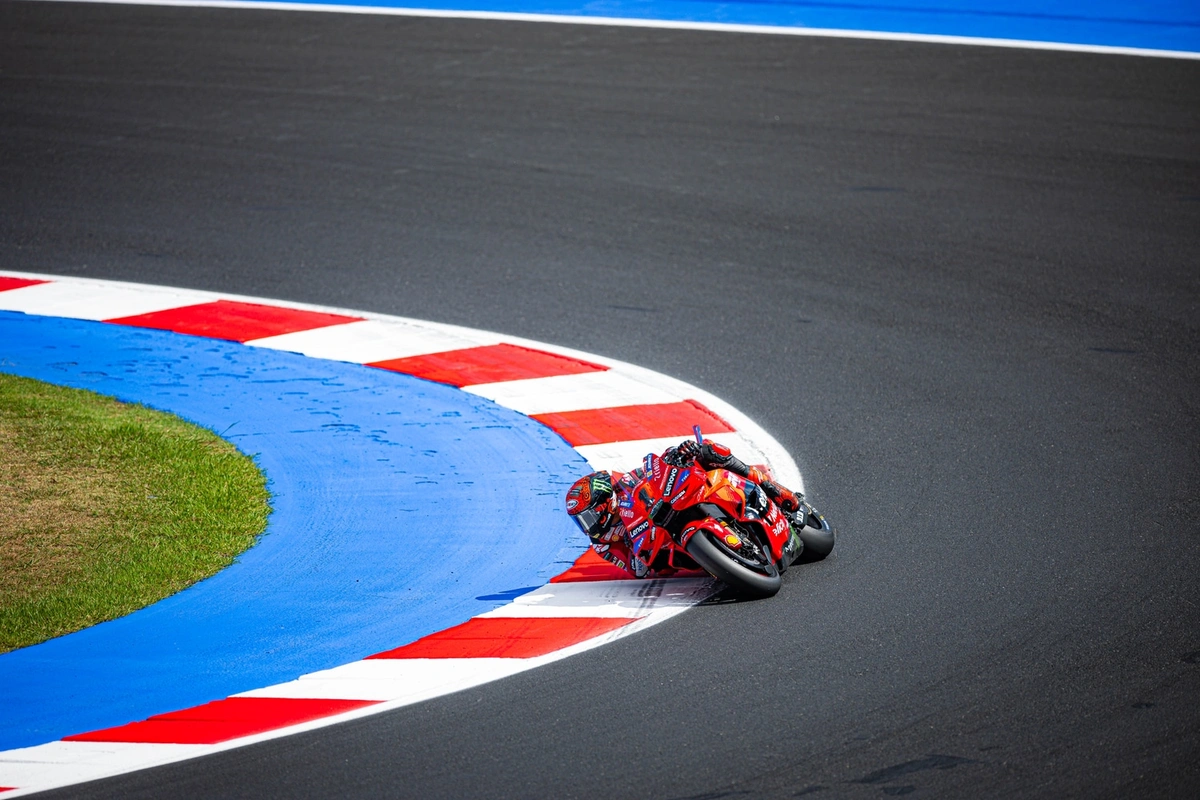
Fast-forward to 2022 and 2023, and Ducati has taken both of those MotoGP titles with Francesco Bagnaia, who became the first rider to win back-to-back MotoGP titles for Ducati.
Beyond MotoGP, Ducati has found success in the British Superbikes championship. Riders Shane 'Shakey' Byrne, Scott Redding, and Josh Brooks won the BSB championship aboard Panigale R and Panigale V4R models from 2016 through 2020.
And you can’t forget about Josh Herrin in MotoAmerica; he took the Supersport Championship on the Panigale V2 and the Daytona 200. So far, in 2024, he’s leading the points battle aboard the Panigale V4.
Ducati Today: More Than Just Racing
Ducati is no longer solely focused on the motorcycle market. The brand now offers adventure bikes, eBikes, electric race motorcycles, and dirt bikes!
In the adventure category, Ducati offers its Multistrada lineup, which is mostly road-focused. I put 54,000 on a 2011 Multistrada, and my go-to touring bike today is a Multistrada 1260 Grand Tour. And I also picked up a very unique collector two years ago—a 2012 Pikes Peak Edition 000, which was basically used as a platform for all the parts needed to take on the races at Pikes Peak International Hill Climb, which sadly no longer features motorcycle racing due to the many tragic deaths there, including Carlin Dunne, who raced a Multistrada Pikes Peak.
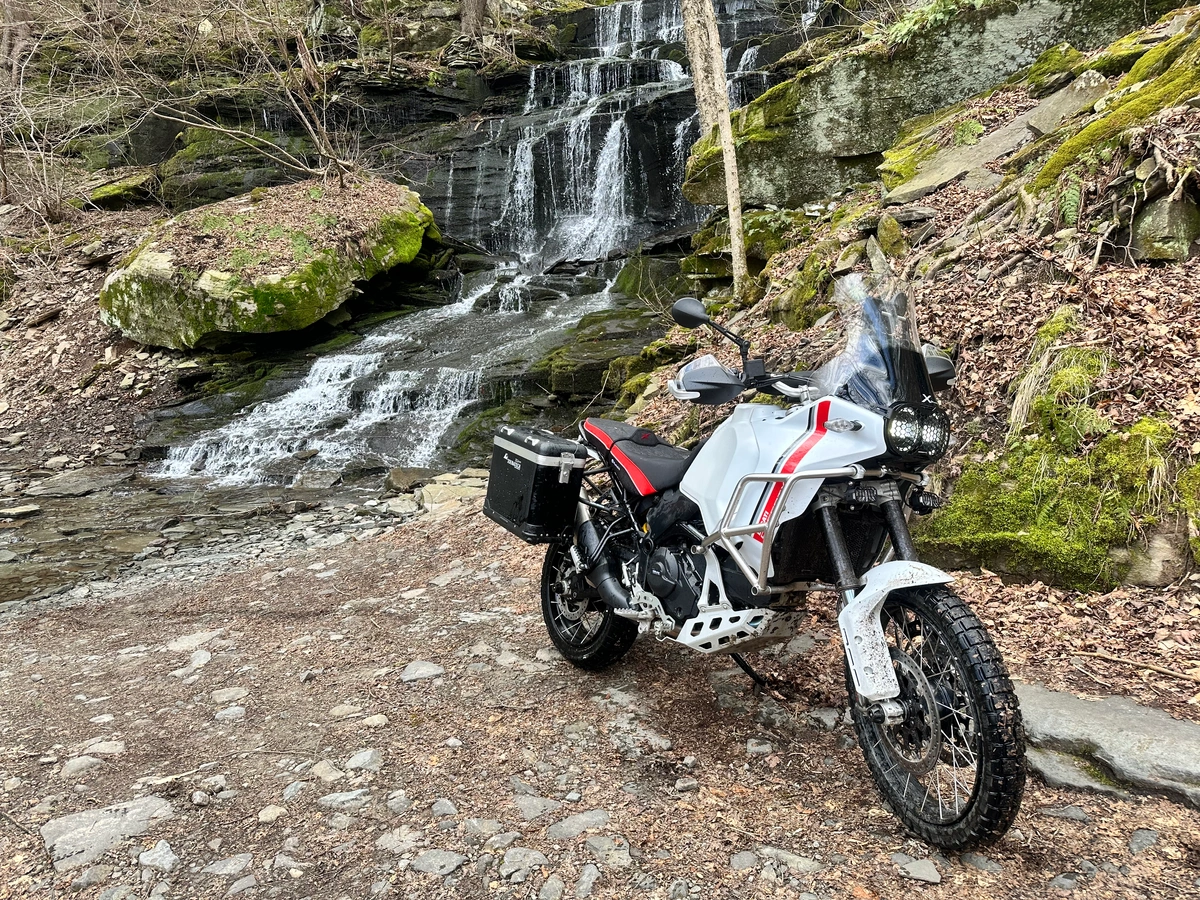
In 2022, Ducati launched its DesertX, transplanting its 937cc L-twin into an off-road-worthy platform. The bike was so good that when I rode it during a Cycle World photoshoot, I immediately ordered one, replacing my KTM 1190 Adventure R for true off-road adventure riding.
Then there are the scramblers. Ducati offered a 450cc Scrambler from 1962 through 1976. The model returned in 2015 with a new Scrambler range featuring the 803cc L-twin and seven models catering to different styles: Classic, Urban Enduro, Icon, Flat Trak Pro, Full Throttle, Italia Independent, and the Sixty2, the latter with an air-cooled 399cc L-twin.
In 2019, Ducati partnered with THOK E-Bikes to produce electric mountain bikes with their signature Italian style and innovation. These special models carry the Ducati legacy into the world of electric mobility. Four models are available now: the Powerstage RR, MIG-S, TK-01RR mountain bikes, and the FUTA road bike.
Although Ducati has yet to release a road-legal electric motorcycle, it is now the sole provider of motorcycles for the MotoE series with its V21L. I'm sure we'll see something similar in Ducati's standard lineup.
Ducati also recently launched its first motocross bike, the Desmo450 MX, which is currently competing in the Italian Motocross Pro Prestige MX1 Championship with the Ducati Corse R&D - Factory MX Team. Knowing the story behind the Ducati brand and understanding its evolution from radios to the legendary Desmosedici provides a deeper appreciation for what Ducati represents.
Ducati is a testament to Italian ingenuity and passion. Its commitment to innovation continues to push the boundaries of two-wheeled excellence. Ducati’s story reminds us that passion, innovation, and a relentless pursuit of excellence can lead to extraordinary results.