
25% Off or 1 Free Day for All First Time Riders!

Motorcycle History

Best-Selling Motorcycles in OEM History: A Global Breakdown by Brand

Ron Lieback
Ron LiebackAugust 8, 2025 ·
Best-Selling Motorcycles in OEM History: A Global Breakdown by Brand

Best-selling motorcycles are more than just high-volume models. They are milestones that reflect a manufacturer’s vision, adaptability, and influence on riding culture.

From world-conquering commuters like the Honda Super Cub to aspirational adventure machines like the BMW GS, each of these bikes tells a story.

This article explores the most successful models in the history of each major motorcycle manufacturer, segmented by region.

And, not such a surprise, many of the top bikes listed here that are available in the USA are also top-rented motorcycles

European Manufacturers

undefined

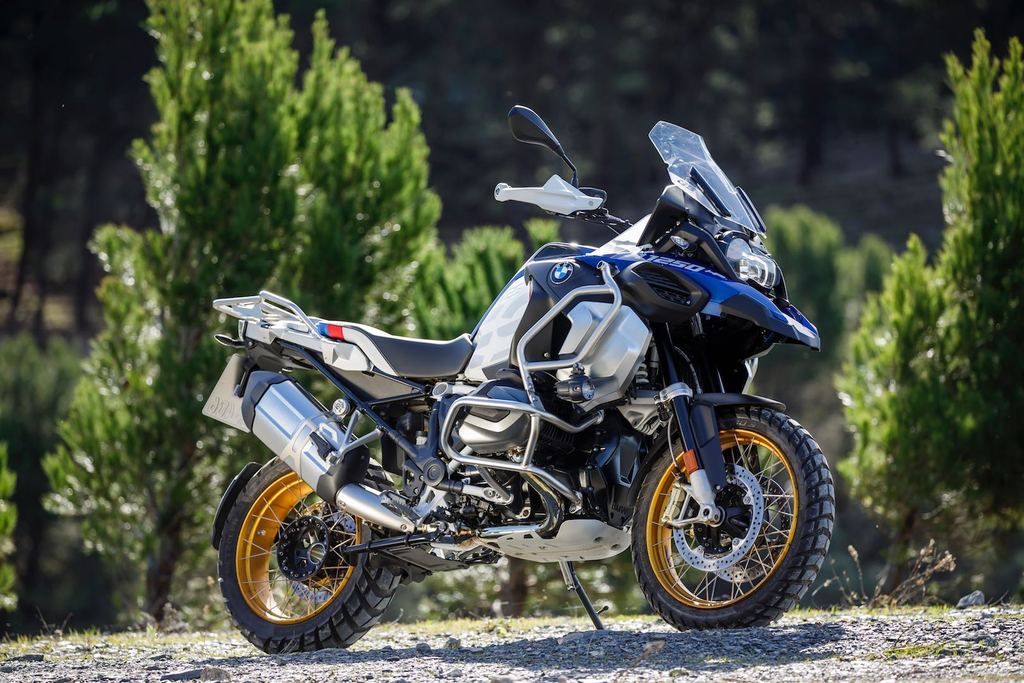
1. BMW Motorrad — R1200GS / R1250GS

The BMW GS series, particularly the R1200GS and its successor, the R1250GS, is the most commercially successful platform in BMW Motorrad’s history. With well over 1.5 million units sold globally across the GS lineage, the big boxer-powered ADV bike has become synonymous with long-distance exploration, comfort, and rugged versatility.

The R1200GS, introduced in 2004, was a seismic shift from the earlier oil-cooled R1150GS. It featured a lighter frame, improved suspension, and greater power-to-weight ratio—making it more road-capable while retaining its off-road prowess. The 1250GS followed in 2019 with BMW’s innovative ShiftCam variable valve timing, improving low-end torque and fuel efficiency.

GS sales thrive not just because of the bike’s capabilities, but because BMW created a lifestyle around it—capitalizing on adventure travel trends and offering riders a ready-made identity. With an enormous accessories catalog, factory training schools, and the globally publicized GS Trophy, BMW successfully sold the dream of "ride anywhere" to the masses.

While other adventure bikes have surged in popularity, none command the same respect or consistency in global sales. The R1250GS continues to dominate European ADV charts and remains the flagship of BMW’s portfolio.
undefined

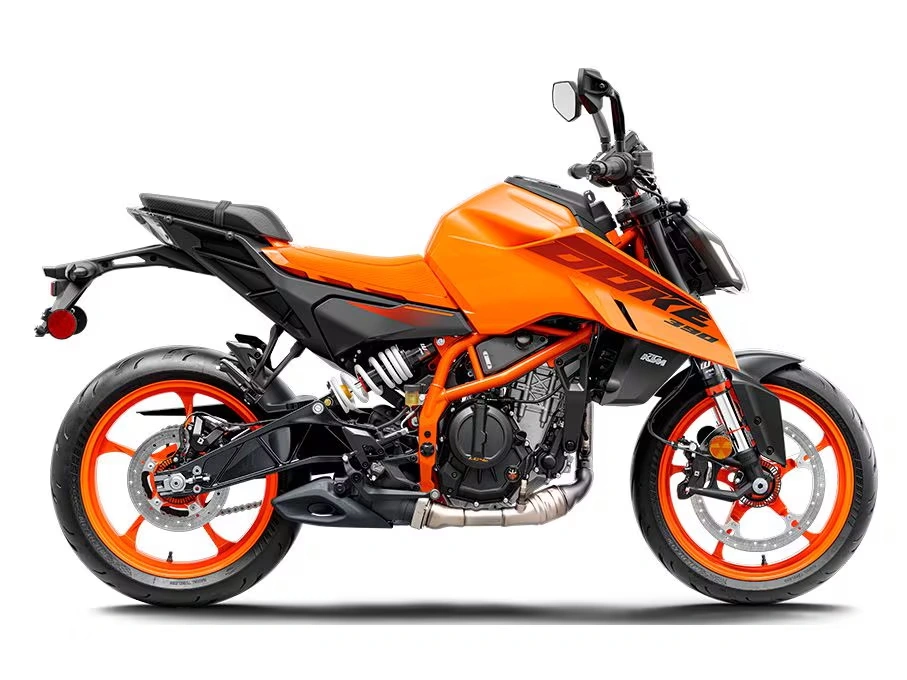
2. KTM — Duke 390

KTM’s global breakout model is not a Dakar-winning rally replica or a fire-breathing Super Duke, but the humble, approachable Duke 390. Launched in 2013 and produced in partnership with Bajaj Auto in India, the 390 Duke flipped KTM’s reputation from niche Euro-race brand to global streetbike contender.

Weighing just 330 pounds wet and putting out roughly 44 horsepower, the 390 Duke delivers an exhilarating power-to-weight ratio in an A2-license-friendly package. It features advanced components like WP suspension, Bosch ABS, slipper clutch, and in later generations, a full-color TFT dash and ride-by-wire throttle—all unheard of in this class at its price point.

What makes the 390 Duke a sales powerhouse isn’t just spec—it’s positioning. KTM made it the aspirational step-up for younger riders in India, Southeast Asia, and South America. In Europe and the U.S., it became a lightweight alternative for commuters, urban riders, and even seasoned motorcyclists looking for minimalist fun.

It also marked the start of KTM’s mass-market strategy: bring race-inspired DNA to affordable displacement classes. Since launch, KTM has sold over 600,000 units globally, including its siblings RC 390 and Adventure 390.

The Duke 390 didn’t just sell. It changed perceptions of what a sub-400cc bike could be. It’s arguably the most important motorcycle KTM has ever produced in terms of global reach.
undefined

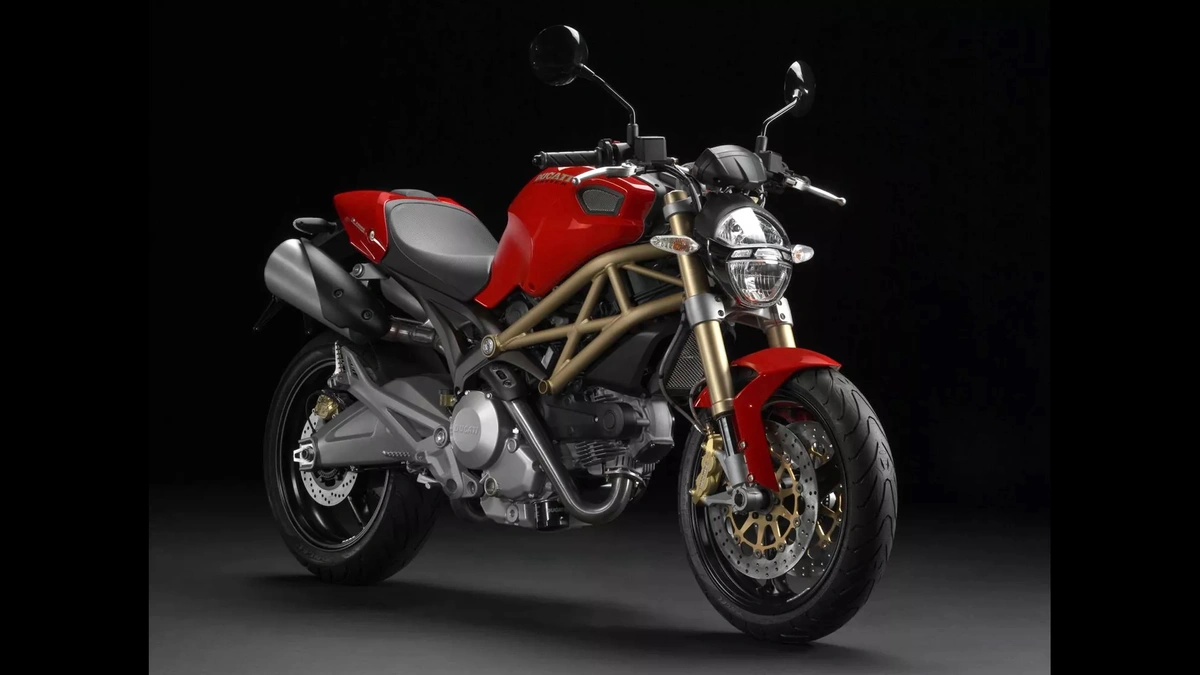
3. Ducati — Monster (Especially Monster 696)

When Ducati launched the Monster 900 in 1993, it had no idea it was creating what would become its most successful line ever. A “parts-bin special” at its inception, the Monster used the frame of an 888 superbike, an air-cooled twin from the Supersport line, and a stripped-down aesthetic aimed at urban riders. It was affordable, raw, and sexy—a café racer for the modern era.

By the time the Monster 696 hit the market in 2008, Ducati had refined the concept without losing its soul. The 696 was not just the best-selling Monster. It was the best-selling Ducati of all time, helping bring a new wave of riders into the brand. Compact, forgiving, and unmistakably Italian, the Monster 696 became the gateway Ducati.

It stayed true to the naked bike formula but added updated tech, improved fuel injection, and modern ergonomics. Its approachable seat height and sub-400-pound curb weight made it ideal for new riders. Simultaneously, Ducati marketed it with the same seductive allure as their Panigales and Multistradas—giving the 696 a “superbike aura” in a learner-friendly body.

In the two decades since its debut, Ducati has sold well over 350,000 Monsters. Even with the 2021 transition to a new aluminum frame and electronics package, the Monster remains Ducati’s entry point and best-selling nameplate.

Without the Monster, Ducati may not have survived the late 1990s. It turned a boutique racing brand into a lifestyle marque—and it still sells because it never forgot how to make riding feel rebellious.
Triumph — Bonneville

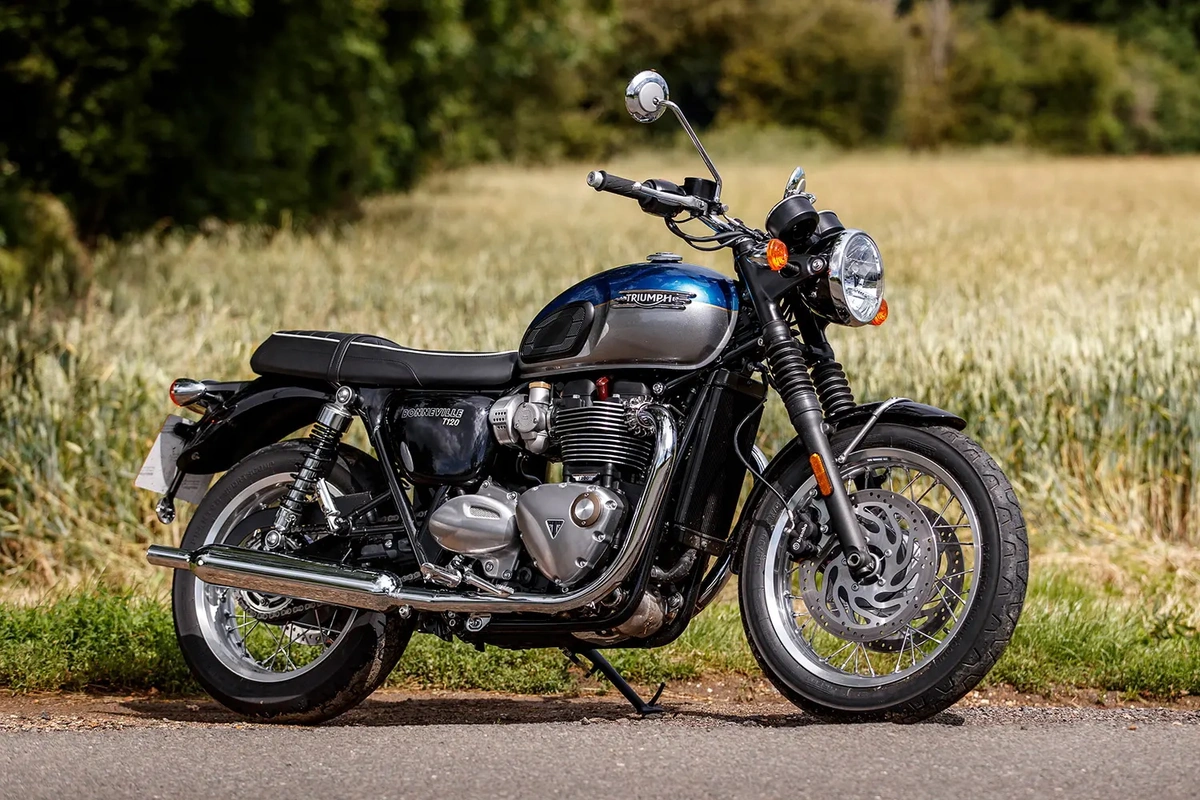
4. Triumph — Bonneville

The Triumph Bonneville is more than a motorcycle. It’s a cultural icon. Originally launched in 1959 and named after the Bonneville Salt Flats, the bike combined British refinement with American-inspired performance. It was the fastest production motorcycle in the world at one point and was immortalized by legends like Steve McQueen and Evel Knievel.

Although production halted in the early 1980s during the collapse of the British motorcycle industry, Triumph resurrected the Bonneville in 2001 under the reborn Hinckley brand. Since then, the modern Bonnie—available in multiple variants like the T100, T120, Bobber, and Speedmaster—has become Triumph’s top-selling model globally.

What makes the Bonneville so enduring is its ability to bridge the past and present. It retains the unmistakable silhouette of a classic British twin while hiding modern technology like ride modes, ABS, traction control, and liquid cooling (in later models). It satisfies the retro purist and the practical commuter alike.

Triumph has sold hundreds of thousands of Bonnevilles since the relaunch, and it remains the backbone of the brand’s global strategy—especially in markets like the U.S., UK, and Thailand. Unlike most best-sellers, it doesn’t cater to just one use case. It’s a blank canvas: a cruiser, a commuter, a track toy, or a touring machine, depending on how you spec it.

The Bonneville isn’t just the best-selling Triumph. It’s the reason Triumph exists today.
undefined

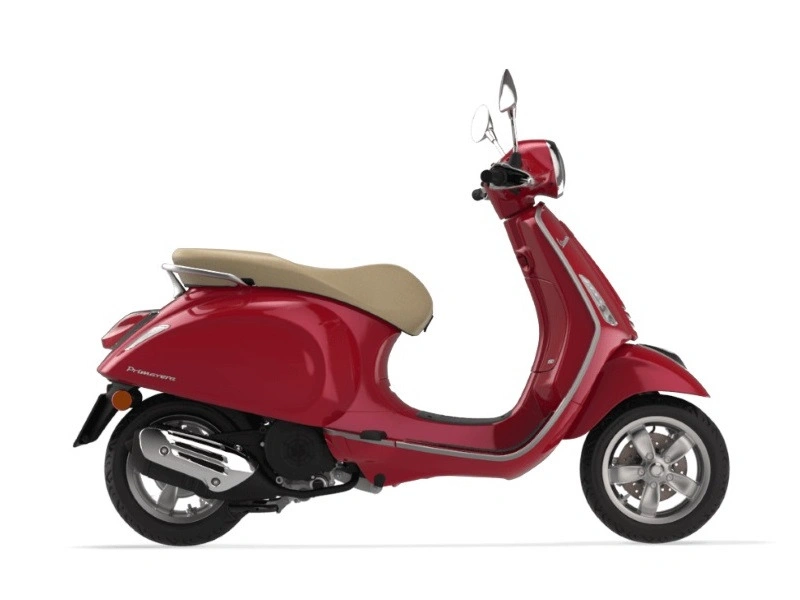
5. Piaggio (Vespa) — PX Series / Primavera

Few names in transportation are as iconic as Vespa. Since the end of World War II, these Italian scooters have defined urban mobility—not just in Italy, but globally. Among the many Vespa variants, two stand out in their sales dominance: the PX Series (launched in 1977) and the Primavera (first introduced in 1968, then reborn in the 2010s).

The PX, with its manual gearbox and two-stroke engine, was a symbol of freedom and youth in Europe and Asia. Its simple mechanics and rugged steel monocoque chassis made it perfect for decades of use, particularly in developing countries and dense cities.

The Primavera represents the modern face of Vespa: stylish, eco-conscious, and tech-forward. With electronic fuel injection, automatic CVT transmission, and contemporary emissions standards, the reborn Primavera became Vespa’s answer to 21st-century urban mobility.

Combined, these two models account for millions of Vespa sales worldwide. Piaggio claims over 19 million Vespas sold since 1946, and while exact breakdowns are hard to find, the PX and Primavera are widely considered the volume champions.

Vespa’s sales aren’t about horsepower or lean angle—they’re about identity. Whether you’re in Rome, Bangkok, or Buenos Aires, a Vespa signals elegance, simplicity, and timeless rebellion.

The PX gave us the past. The Primavera secures the future.
undefined

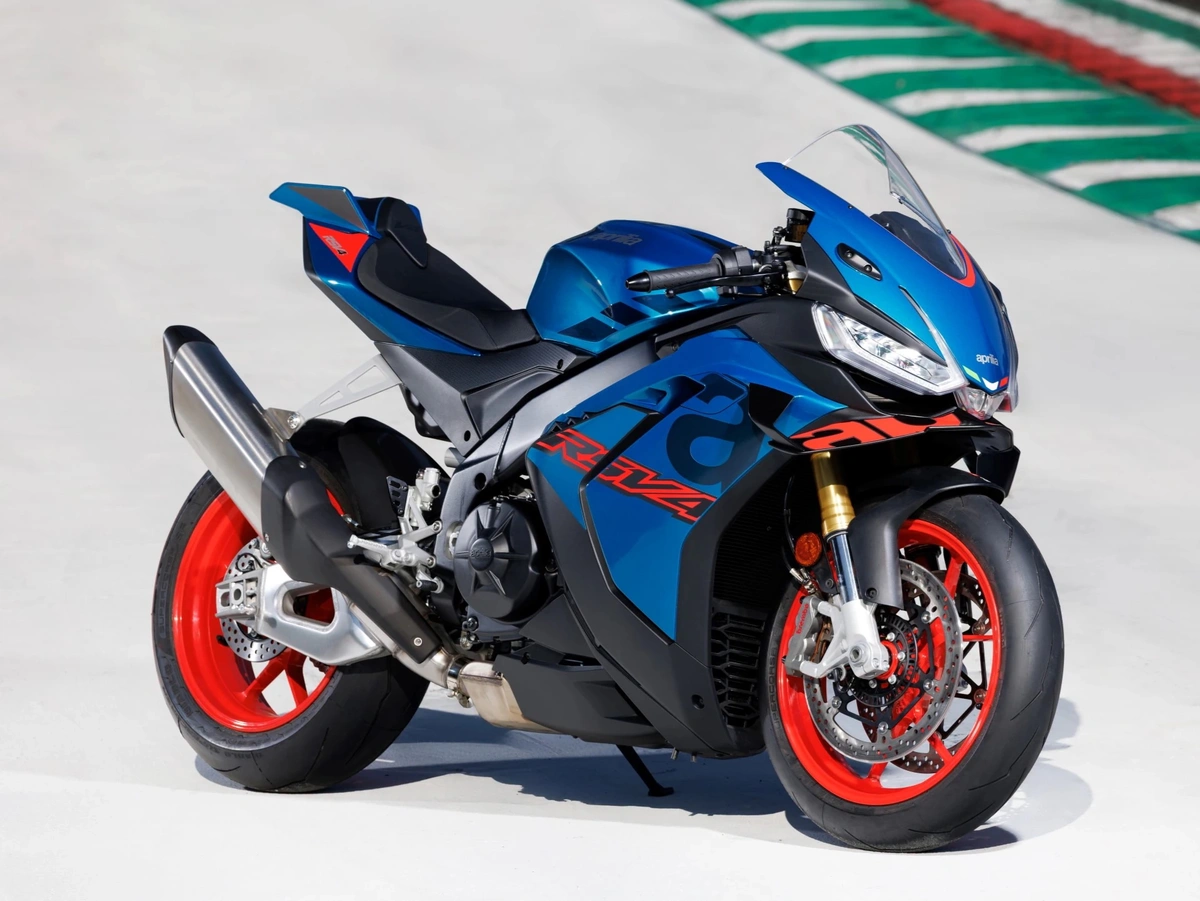
6. Aprilia — RSV4 / Tuono 660

Aprilia may not dominate in sheer unit sales globally, but its influence in sport and racing categories is indisputable. Within its portfolio, the RSV4 stands out as the most iconic and commercially successful high-performance model, while the Tuono 660 represents the new wave of lightweight street performance that is quickly rising in volume.

Launched in 2009, the RSV4 shocked the sportbike world with its compact 65° V4 engine, MotoGP-level electronics, and razor-sharp chassis. It immediately earned accolades on and off the track, winning World Superbike titles and earning cult status among performance enthusiasts. Aprilia managed to inject its racing DNA into a street-legal machine that rivaled the best from Japan and Europe—and sold in strong numbers for a premium niche model.

More recently, the Tuono 660 and its sibling RS 660 have redefined Aprilia’s sales direction. Targeting the growing middleweight segment, these bikes offer advanced rider aids, parallel-twin engines with punchy performance, and sleek Italian design. They’re built to dominate the A2-license market in Europe and appeal to new and returning riders in the U.S.

While total RSV4 unit sales are estimated in the low six figures globally, their impact is disproportionately high in brand loyalty and racing prestige. The Tuono 660, meanwhile, is Aprilia’s attempt to scale, already becoming one of the brand’s fastest-growing platforms since its 2021 launch.

Together, these models represent Aprilia’s dual nature: exotic race-bred engineering, and now, approachable performance for everyday riders.

American Manufacturers

undefined

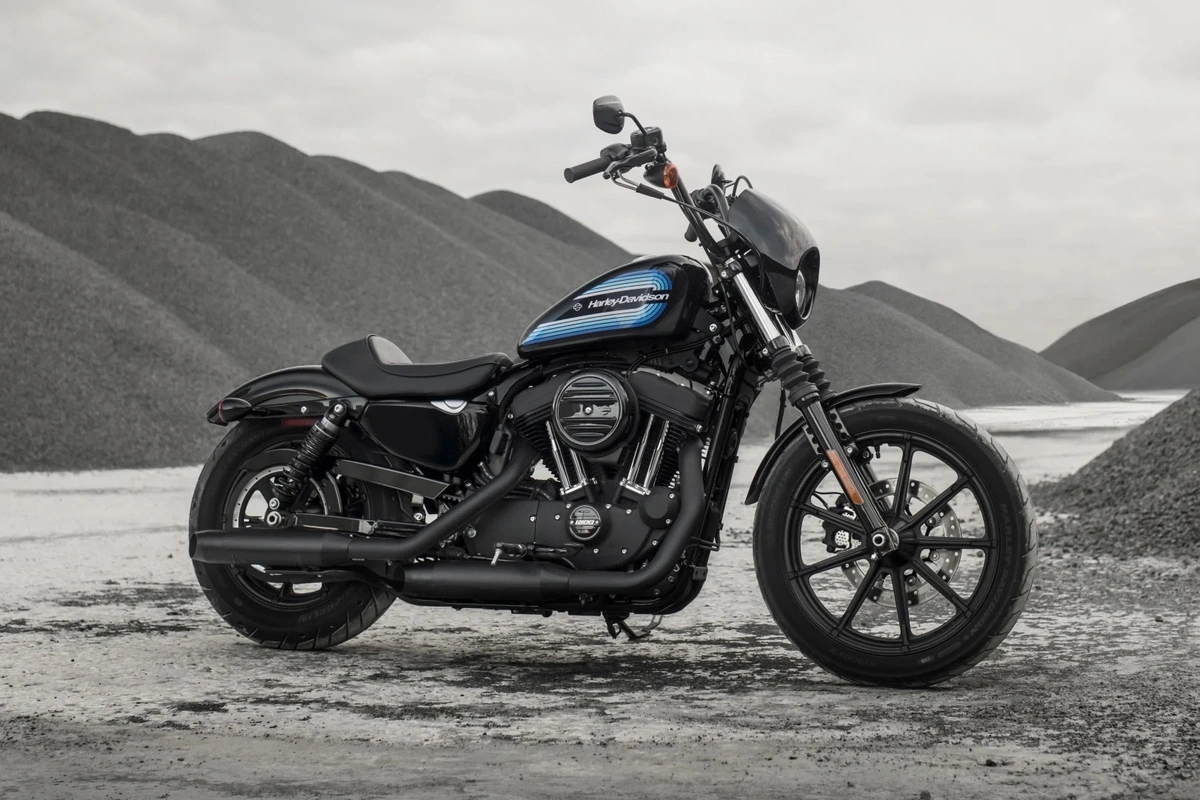
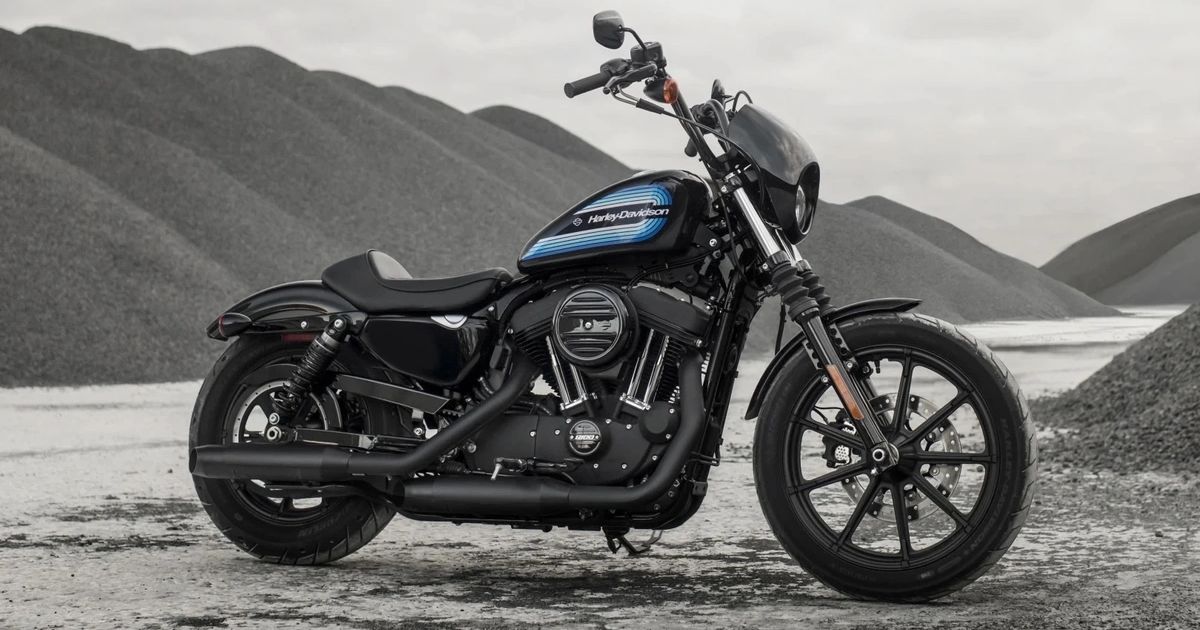
1. Harley-Davidson — Sportster

For over six decades, the Harley-Davidson Sportster was the American brand’s workhorse, both in the showroom and on the road. Launched in 1957 as a response to the fast, lightweight British bikes invading the U.S., the Sportster quickly became a cultural fixture, blending cruiser aesthetics with agile handling.

Available in countless variants over the years—from the XLH to the Iron 883 to the Forty-Eight—the Sportster was often the first Harley for new riders and the forever-bike for custom builders. It was accessible, affordable (by Harley standards), and infinitely modifiable. Harley sold millions of Sportsters globally, making it their longest-running and most commercially successful platform until its phase-out in certain markets in 2022.

What made the Sportster such a hit was its adaptability. It could be a stripped-down bobber, a café racer, a chopper, or even a touring bike with the right setup. It evolved through AMF years, rubber-mounted engines, EFI upgrades, and more—but always retained its signature V-twin heartbeat and narrow frame.

Despite critics calling it “dated” in its later years, the Sportster outlasted nearly every other platform in Harley’s stable. Even now, Harley continues the name with the Sportster S, a radically different machine built on the new Revolution Max engine, targeting a new generation of riders.

The legacy of the Sportster isn’t just in unit sales; it’s in how it helped define Harley-Davidson’s global image: loud, low, and undeniably cool.

undefined

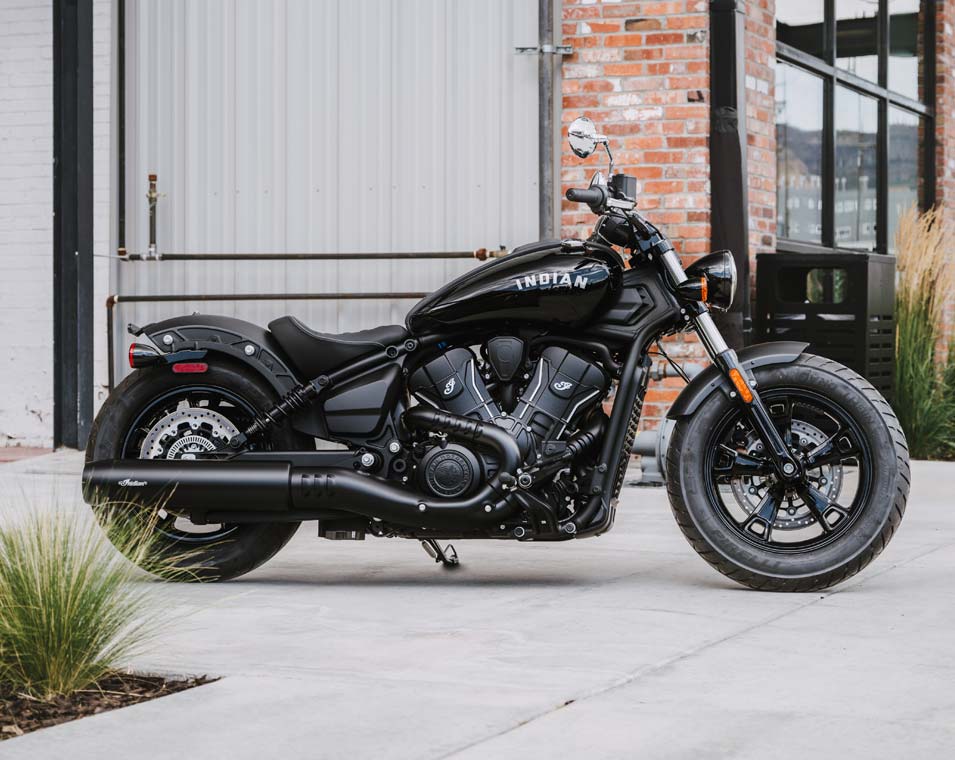
2. Indian Motorcycle — Scout

The Indian Scout is a case study in how a historic name can be reinvented successfully for modern markets. The original Scout, introduced in 1920, was one of Indian’s most celebrated models—known for its engineering, performance, and even military use. But it wasn’t until the brand’s 2014 revival under Polaris that the Scout became Indian’s top-selling modern model.

The new Scout was unlike most cruisers on the market. It used a liquid-cooled, DOHC V-twin that made over 100 horsepower—light years ahead of air-cooled rivals. It offered a low seat height, neutral ergonomics, and premium fit and finish without Harley’s premium pricing. It struck the perfect balance between heritage and performance.

From 2015 onward, the Scout and its variants (Scout Sixty, Bobber, Rogue) became the backbone of Indian’s resurgence. It attracted new riders, younger demographics, and international buyers who wanted something familiar but different from Harley-Davidson. The platform quickly became Indian’s best-seller in both the U.S. and international markets.

Today, the Scout competes head-to-head with Harley’s remaining entry-level cruisers and continues to evolve. A redesigned Scout lineup debuted in 2024, further solidifying the model as Indian’s halo of accessibility and customizability.

In short, the Scout was Indian’s comeback machine and it’s still leading the charge.

Japanese Manufacturers

undefined

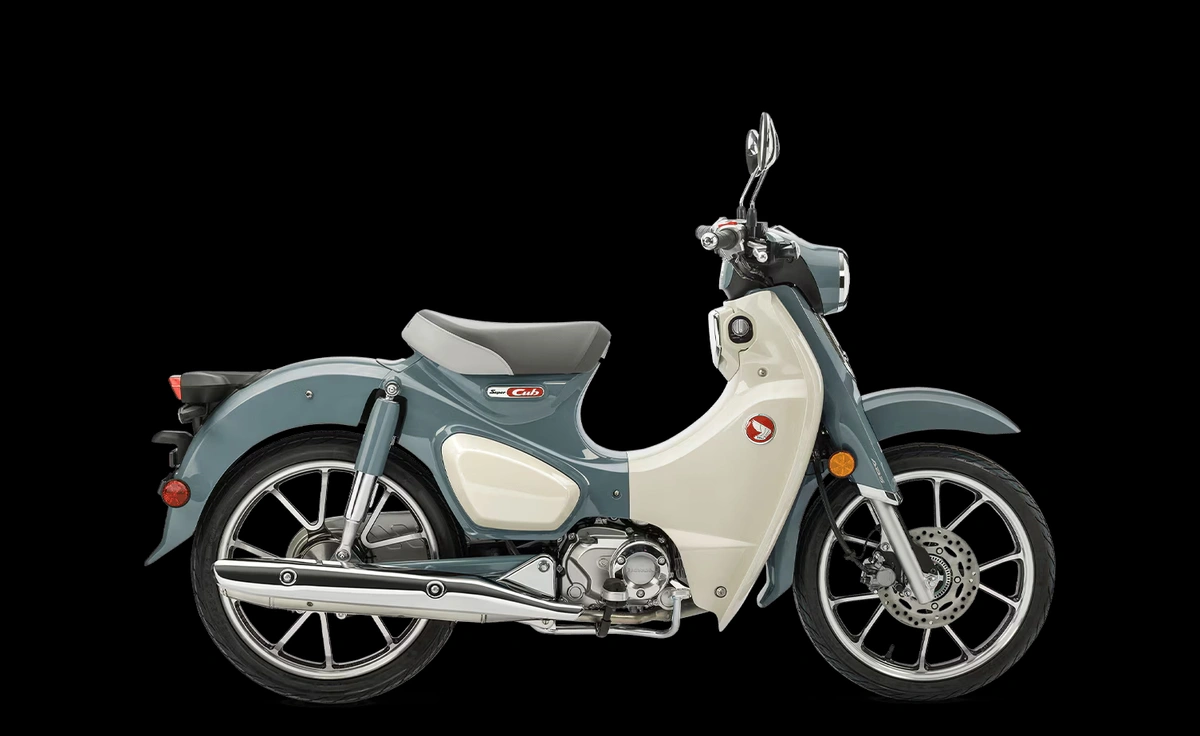
1. Honda — Super Cub

With over 100 million units sold, the Honda Super Cub is the best-selling motor vehicle in history. Not just motorcycle. Introduced in 1958, the Cub redefined mobility by offering an affordable, reliable, and easy-to-use two-wheeler to the masses.

Its revolutionary step-through frame, leg guards, and semi-automatic transmission made it approachable to non-motorcyclists. Honda’s marketing slogan “You meet the nicest people on a Honda” broke the stereotype of motorcyclists as rebels and positioned the Cub as family transportation, especially in post-war Japan and later in Southeast Asia, Africa, and Latin America.

Its success comes from versatility and longevity. Over the decades, it evolved into dozens of sub-models (C50, C70, C90, C100, etc.) with improved emissions, durability, and styling. The engine became a legend on its own—copied endlessly and still used in mopeds and small motorcycles worldwide.

Beyond sales, the Cub influenced infrastructure, delivery industries, and even women’s mobility in many developing countries. In Vietnam and Thailand, entire economies were built on its reliability. The Super Cub has also become a cultural icon, featured in anime, museum exhibits, and even fashion campaigns.

Honda still produces updated versions—like the C125 Super Cub—with fuel injection, disc brakes, and retro-modern styling. It remains one of Honda’s top global sellers even 65+ years after its debut.

If you want to understand the global impact of motorcycling, don’t look to superbikes or ADVs. Look to the humble, unstoppable Super Cub.

undefined

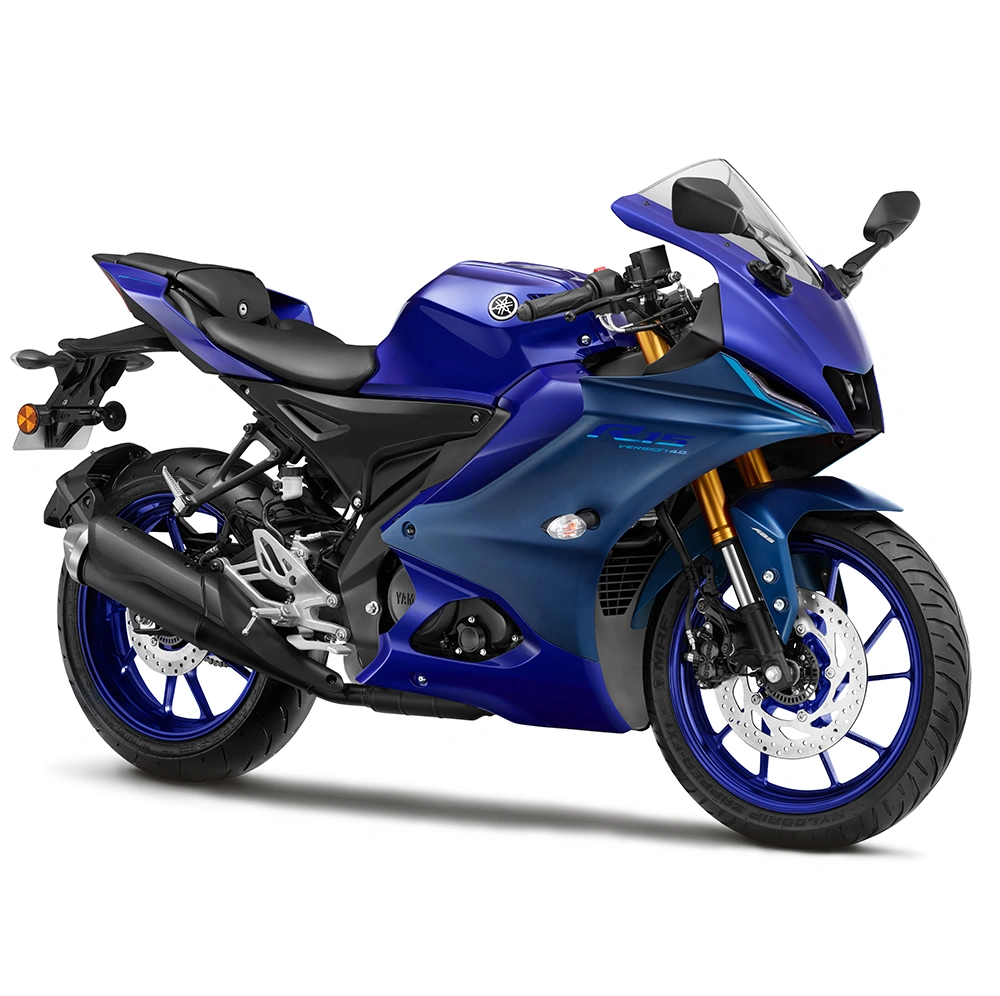
2. Yamaha — YZF-R15 / R6 / R1

Yamaha’s dominance spans multiple categories, but three models define its commercial and cultural legacy: the YZF-R1, YZF-R6, and YZF-R15—each topping their respective classes in different global regions.

The R1, launched in 1998, redefined the literbike category with its lightweight chassis and massive power. It wasn’t just fast—it handled like a 600 and inspired endless copycats. It became Yamaha’s flagship for sportbike technology, from crossplane cranks to advanced IMUs. It remains a top seller in Europe, the U.S., and Australia among liter-class sportbikes.

The R6, released in 1999, dominated the 600cc supersport segment for over two decades. Revered by track-day riders and club racers, the R6’s sharp handling and high-revving engine made it the go-to middleweight. Though no longer available as a road bike in many countries due to emissions regulations, it still sells in race-only format, a testament to its cult status.

But the YZF-R15, primarily sold in Asia and emerging markets, is Yamaha’s true sales juggernaut. Designed as an entry-level supersport, it offers fuel injection, Deltabox frame, and aggressive styling at an affordable price. In India, Indonesia, and the Philippines, the R15 has introduced millions to the Yamaha sportbike family.

Collectively, these three R-series machines account for millions of units sold, helping Yamaha dominate the supersport space across multiple segments. Each delivers thrilling performance tailored to different licensing systems and market needs, making the R-series Yamaha’s most successful lineup.

undefined

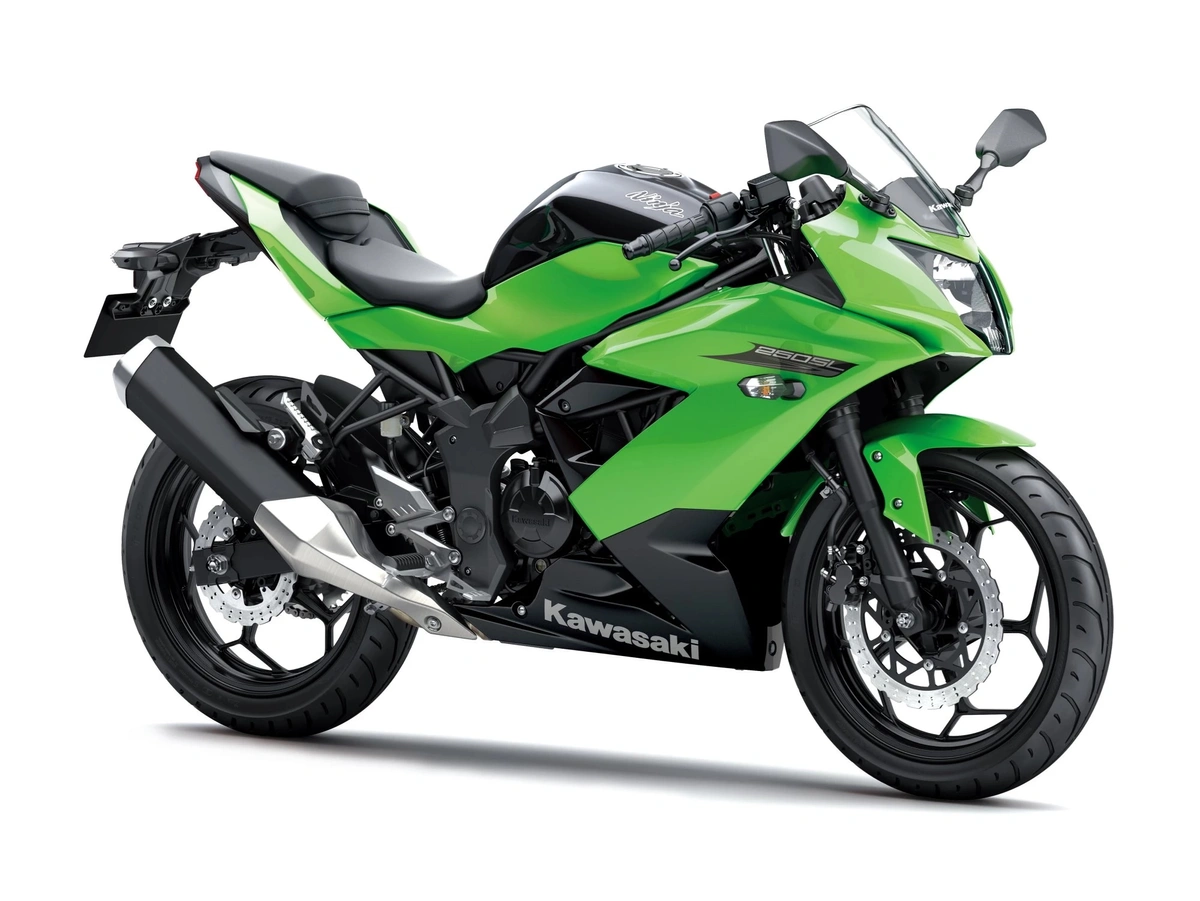
3. Kawasaki — Ninja 250 / 300 / 400 Series

Kawasaki’s Ninja line is one of the most recognized sportbike families in the world, and no models have contributed more to its widespread adoption than the Ninja 250, Ninja 300, and now, the Ninja 400. Introduced in the U.S. in 1986, the Ninja 250R was an affordable, forgiving, and reliable entry into motorcycling for tens of thousands of riders each year.

The formula was simple but smart: deliver authentic sportbike styling and ergonomics in a package that didn’t intimidate. Lightweight chassis, modest but rev-happy twin-cylinder engines, and upright-ish riding positions made these bikes ideal for beginners and commuters alike.

The Ninja 250R remained largely unchanged until the late 2000s, when it got a major visual and mechanical overhaul to keep up with global competition. In 2013, the Ninja 300 arrived with fuel injection, better tires, and improved power. By 2018, Kawasaki had introduced the Ninja 400—a quantum leap in terms of refinement and performance. With 49 horsepower, a slipper clutch, LED lighting, and a curb weight under 370 pounds, it became the most competent entry-level sportbike on the market.

Over the span of nearly 40 years, Kawasaki has sold well over one million units globally of these beginner Ninja models, dominating entry-level sportbike sales in North America, Europe, and parts of Asia.

Today, the Ninja 400 continues that legacy while also serving as a potent small-displacement racebike. It’s the ultimate proof that small doesn’t mean boring—and that Kawasaki knows how to build motorcycles that grow with the rider.

undefined

4. Suzuki — GSX-R Series (600 / 750 / 1000)

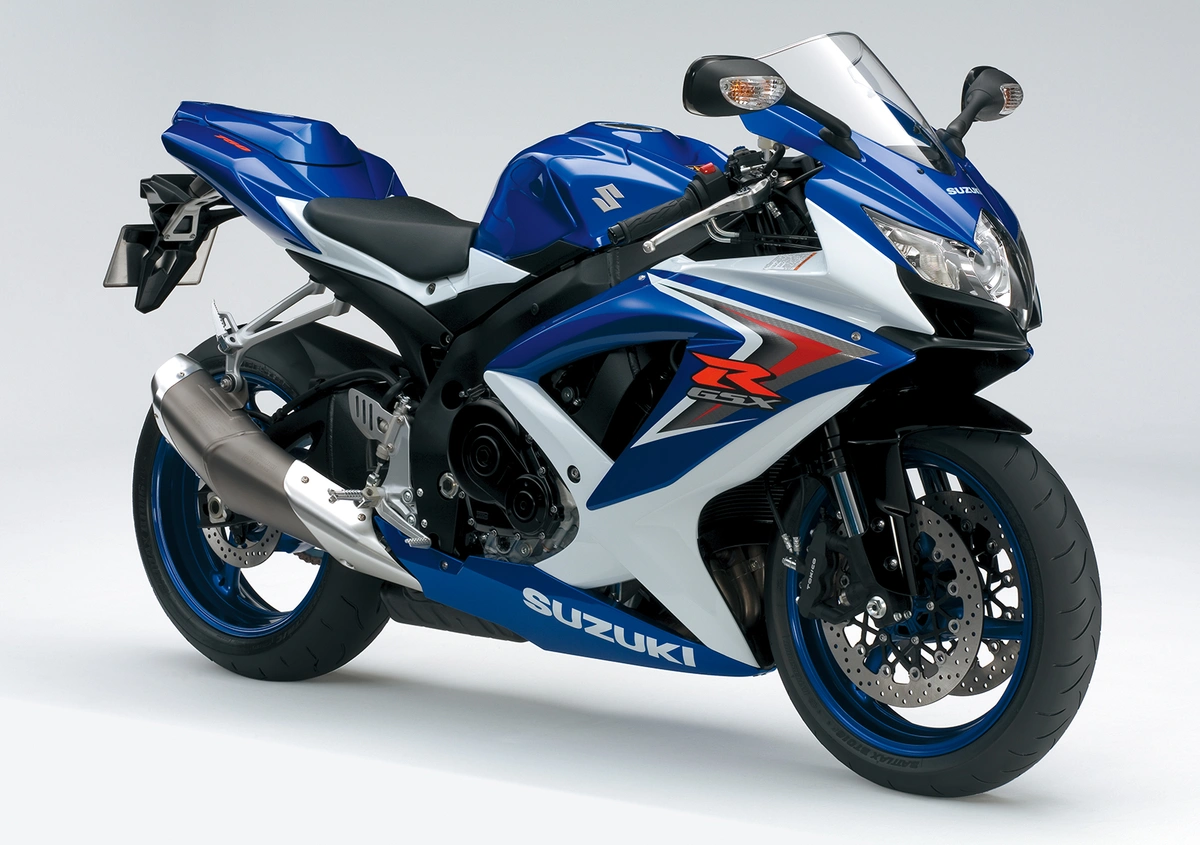
The Suzuki GSX-R series, first launched in 1985 with the GSX-R750, revolutionized the concept of race-ready motorcycles for the street. Prior to its arrival, most streetbikes were heavy and only vaguely related to their racing counterparts. The GSX-R changed everything with its lightweight aluminum frame, oil-cooled inline-four, and fully-faired race aesthetic. It wasn’t just fast—it looked and felt like a track bike right out of the crate.

The GSX-R750 was followed by the GSX-R1100 and later the wildly successful GSX-R600 and GSX-R1000. Each brought Suzuki’s “race on Sunday, sell on Monday” ethos to a wide audience, and from the late '90s through the 2000s, Gixxers became a dominant force in supersport and superbike sales worldwide.

By the 2010s, Suzuki had sold more than one million GSX-Rs globally, making the line one of the most commercially successful sportbike families of all time. The GSX-R600 was especially popular in the U.S., where it became a staple of both street and amateur racing scenes.

While the line has been less prominent in recent years due to tightening emissions laws and the overall decline of the supersport category, the GSX-R legacy endures. The 2024 GSX-8R and GSX-8S represent Suzuki’s next evolution, but the GSX-R still holds the crown in brand identity and historical sales.

No other Suzuki model has had the same global resonance, track success, or cultural impact.

IV. Other Global Brands

undefined

1. Royal Enfield — Classic 350

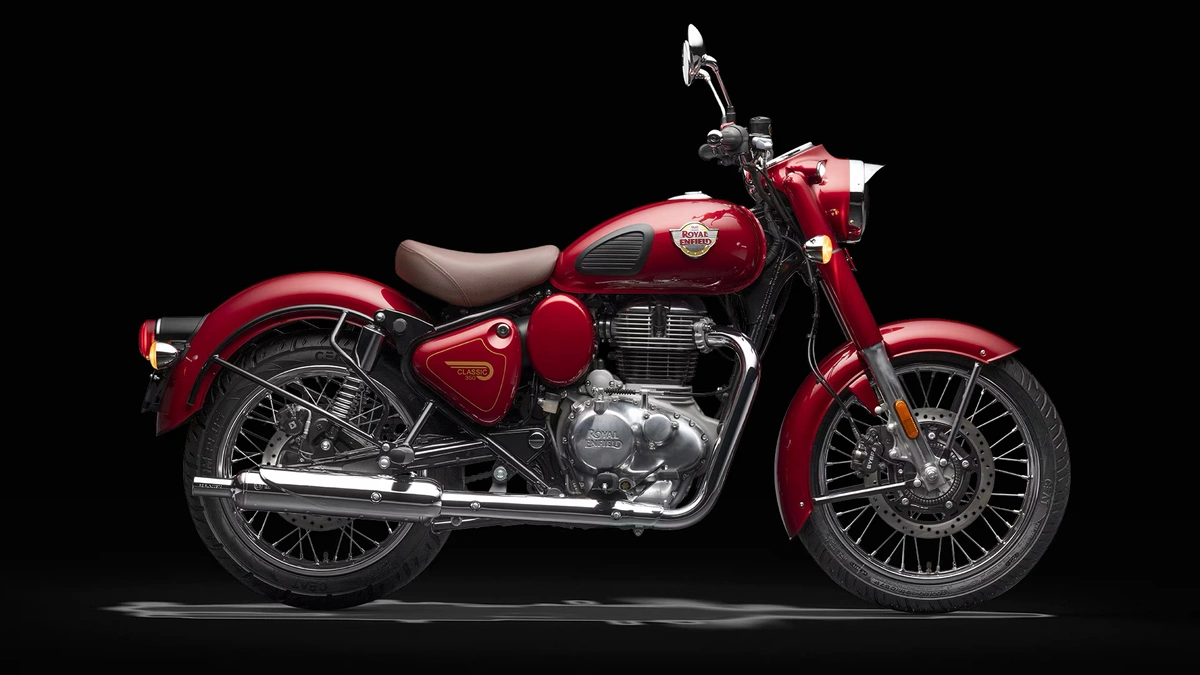
The Royal Enfield Classic 350 is the crown jewel of the modern Enfield lineup, and arguably the most culturally influential motorcycle in India’s recent history. Originally launched in 2009 as a retro take on the Bullet platform, the Classic 350 offered 1950s aesthetics with modern reliability, complete with a teardrop tank, sprung seats, and British army-style paint schemes.

Though initially modest in power with its UCE (Unit Construction Engine) single-cylinder motor, the Classic 350 was praised for its torque-rich character and nostalgic charm. But more importantly, it was priced accessibly and built for Indian road conditions: rugged, simple, and easy to maintain.

The model was a runaway success. At its peak in the mid-2010s, it accounted for over 800,000 unit sales per year, single-handedly fueling Royal Enfield’s expansion into export markets like the UK, Southeast Asia, and Latin America.

In 2021, the platform was fully revamped with the new J-platform engine—offering smoother performance, better refinement, and upgraded chassis tech. Yet, it retained the styling that made the Classic so appealing.

As of 2025, the Classic 350 remains Royal Enfield’s best-selling motorcycle of all time, with cumulative sales well beyond 4 million units globally. It’s more than just a motorcycle—it’s a cultural institution, a rite of passage, and the face of India’s retro revival.

Few bikes balance mass appeal and heritage so effectively.

undefined

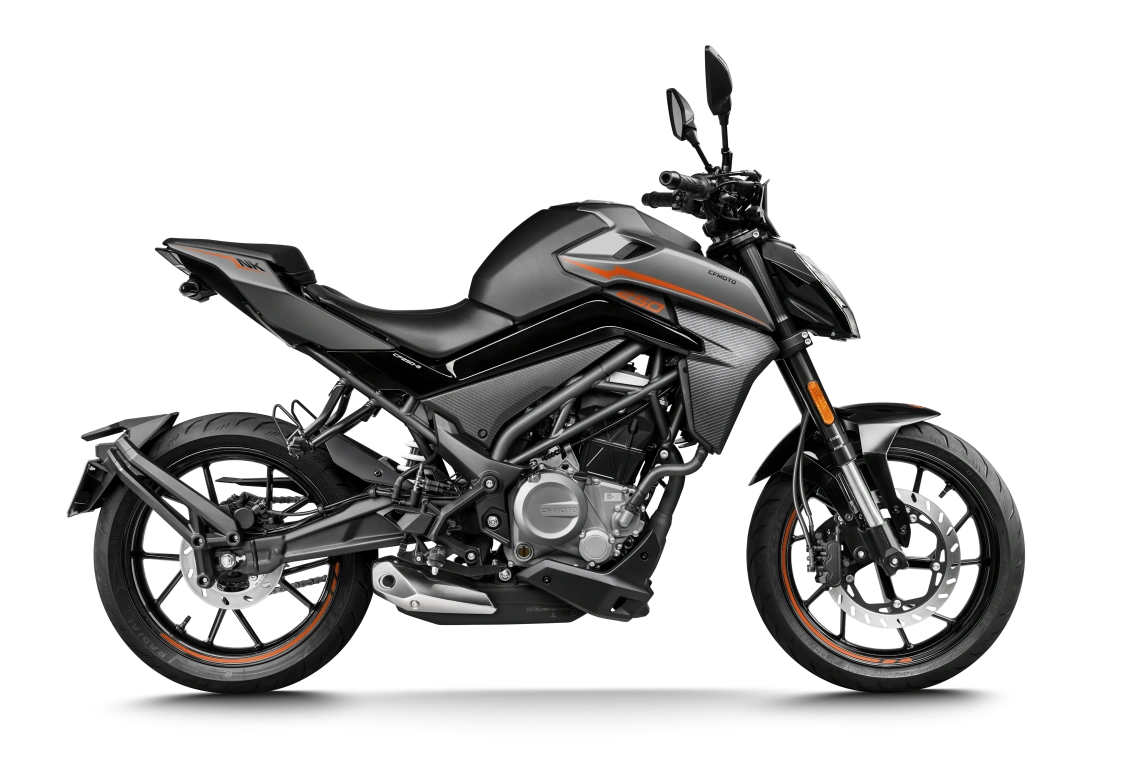
2. CF Moto — 250NK / 300NK

CF Moto, once a niche Chinese manufacturer primarily known for ATVs and utility vehicles, has rapidly ascended in global motorcycle rankings—largely due to its lightweight streetfighter-style models like the 250NK and 300NK.

These bikes are designed in partnership with Kiska Design (the firm responsible for KTM’s aesthetic) and leverage CF Moto’s deep manufacturing ties with the Austrian brand. The result? Well-built, aggressive-looking machines that punch well above their price point.

The 250NK launched in markets like Southeast Asia, Australia, and parts of Europe, offering inverted forks, Bosch EFI, LED lighting, and a TFT dash—amenities that are rare in sub-$4,000 bikes. The 300NK, released later, brought more power while retaining the same accessible ergonomics and futuristic styling.

Although CF Moto doesn’t release official global sales data by model, estimates suggest the 250/300NK series has sold hundreds of thousands of units across Asia, Europe, and Latin America—particularly in price-sensitive markets looking for alternatives to Honda and Yamaha.

But beyond unit sales, these models have done something more important: legitimized Chinese motorcycles in premium-conscious Western markets. Reviews across Europe and Australia have praised the build quality and design, while newer models like the 700CL-X and 800MT (with KTM powertrains) are raising the brand’s profile even further.

The NK series may not be the final destination, but it’s the model that opened the door and CF Moto is stepping through confidently.

undefined

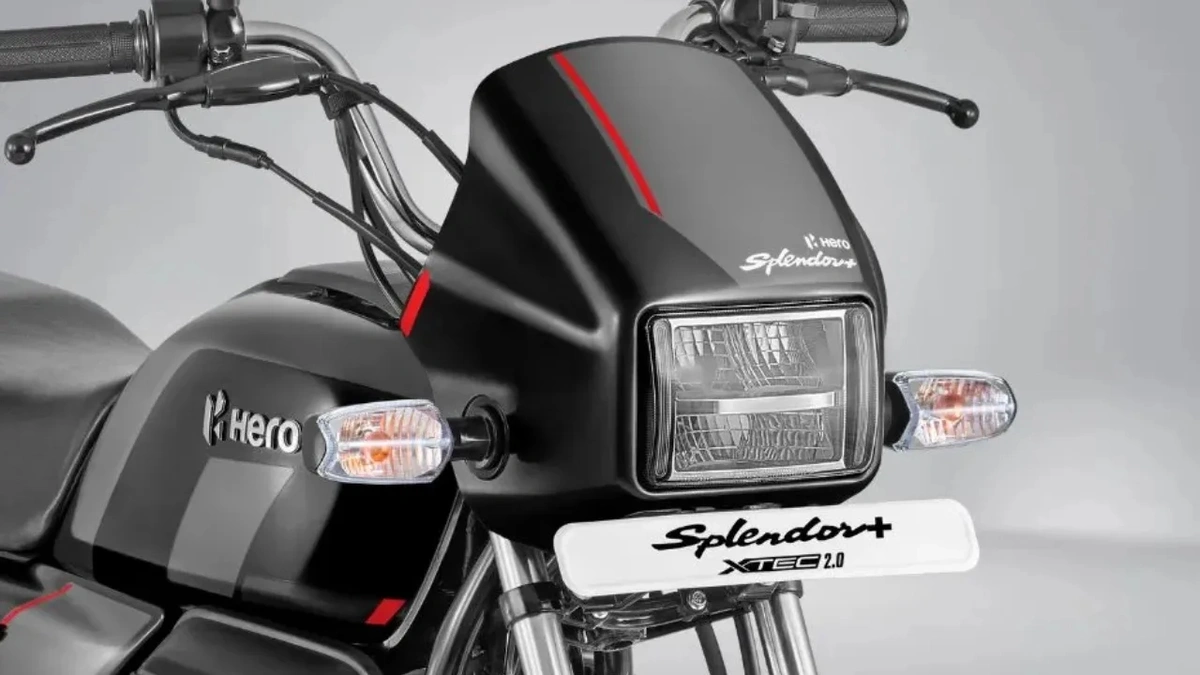
3. Hero MotoCorp — Splendor

The Hero Splendor is one of the highest-selling motorcycles in history, with over 100 million units sold since its debut in 1994. Originally a joint venture product between Hero and Honda (under the CD100 / Splendor nameplate), the model became synonymous with affordable, durable, and fuel-efficient transportation across India and developing countries.

The Splendor’s appeal lies in its simplicity. Powered by a 97cc–110cc air-cooled single-cylinder engine, it prioritizes fuel economy (often exceeding 70 km/l), low maintenance, and high reliability. It’s the motorcycle equivalent of a Toyota Corolla: not glamorous, but universally trusted.

For decades, the Splendor has been the go-to machine for students, small business owners, farmers, and delivery riders. Even after Hero and Honda split in 2010, Hero continued evolving the Splendor platform with minor updates, maintaining the look and feel that riders had come to love.

While Western enthusiasts may overlook it due to its utilitarian nature, the Splendor's global impact is enormous. It enabled personal mobility for tens of millions of people, often replacing bicycles or overloaded scooters. In many parts of India, it’s more than a vehicle—it’s a status symbol of upward mobility.

Even as electric two-wheelers emerge in India, the Splendor remains Hero MotoCorp’s best-selling and most culturally significant model. It has defined India’s motorcycle industry for three decades—and it's still going strong.

globe-icon

Final Thoughts: Why Best-Sellers Matter More Than Ever

These motorcycles didn’t just sell well. They shaped their brand’s identity, opened new markets, and influenced what motorcycling looks like today across the globe.

  • The Honda Super Cub taught the world how to ride.

  • The BMW GS turned dirt into a lifestyle.

  • The Ducati Monster gave rebellion an Italian accent.

  • The Hero Splendor put a nation on two wheels.

Whether you're a seasoned rider or a newcomer, understanding the best-sellers helps decode what makes a bike not just popular but timeless.

Ron Lieback
Ron Lieback

Ron is an East Coast entrepreneur, motorcycle journalist, author, and marketeer. He has written over 15,000 articles across various moto publications and continues to test bikes worldwide. He has also helped OEMs refine their global marketing strategies for new models. When not traveling or operating his SEO-driven content marketing agency, ContentMender, Ron enjoys riding, collecting, and wrenching on motorcycles.

linkedin urlfacebook urlinstagram url
Rent a MotorcycleList a Motorcycle - Make Money!

Ride

I want to rent someone's motorcycle.

Search Now

List

I want to share my motorcycle.

Learn Now